Soybeans may be in good condition when placed in storage but can still lose quality if heat and moisture are allowed to build up. Aeration helps manage that risk by moving air through the grain mass and keeping temperatures within a suitable range. Its primary purpose is to control grain temperature, although under suitable conditions, aeration may also remove some moisture. However, moderately wet soybeans may require a separate drying process.
Effective aeration depends on running the fans at the right time. Poor timing may introduce unwanted moisture or warm grain that should remain cool. Before operating the aeration system, producers should consider grain condition, outdoor temperature, relative humidity, expected storage duration, and airflow rate.
Why soybean temperature matters during storage
Soybean storage temperature and moisture levels affect how long stored soybeans retain their quality. Warm, damp beans deteriorate much faster than cool, dry beans. Damaged seed coats, fines, and uneven moisture can further increase the risk of spoilage by restricting airflow and creating isolated problem areas.
Soybeans intended for storage into spring or summer should generally be kept at 11% to 12% moisture. The standard market moisture level of 13% may be suitable for shorter storage under cool conditions, but it provides less protection as temperatures rise or the storage period lengthens.
Approximate allowable storage time for soybeans
The table below shows the approximate allowable storage time for soybeans at different moisture levels and grain temperatures.
Moisture content (%) | 30°F | 40°F | 50°F | 60°F | 70°F | 80°F |
11 | 300+ days | 300+ days | 300+ days | 300+ days | 200 days | 140 days |
12 | 300+ days | 300+ days | 300+ days | 240 days | 125 days | 70 days |
13 | 300+ days | 300+ days | 230 days | 120 days | 70 days | 40 days |
14 | 300+ days | 280 days | 130 days | 75 days | 45 days | 20 days |
15 | 300+ days | 200 days | 90 days | 50 days | 30 days | 15 days |
16 | 300+ days | 140 days | 70 days | 35 days | 20 days | 10 days |
17 | 300+ days | 90 days | 50 days | 25 days | 14 days | 7 days |
19 | 190 days | 60 days | 30 days | 15 days | 8 days | 3 days |
Important notes:
- Airflow through soybeans helps maintain grain temperature but does not extend the allowable storage time beyond the period shown.
- Allowable storage time is cumulative. If 16% moisture soybeans remain at 50°F for 35 days, half of their estimated storage life has been used. Cooling them to 40°F does not restart the storage period.
When should stored soybeans be cooled?
Cooling should begin in the fall as outdoor temperatures decline. Stored soybeans should generally be kept within approximately 10 to 15°F of the average outdoor temperature. Cooling in stages is usually preferable to waiting for extremely cold weather and making one large temperature change.
In northern states, a winter storage temperature of approximately 20 to 30°F is commonly recommended. In southern states, soybeans should generally be kept at 40°F or lower when conditions allow. Local weather, soybean moisture content, and the intended storage period should guide the final target temperature.
In spring, avoid moving warm daytime air through cold grain unless there is a specific need to do so. Unnecessary fan operation can warm the grain and may cause condensation if the air cools below its dew point inside the bin. For storage through spring and summer, keep soybeans as cool as practical and monitor them closely as outdoor temperatures rise.
How to aerate soybeans effectively
Before starting the fan, compare outdoor conditions with temperature and moisture readings from inside the bin. Once a cooling cycle begins, the fan should generally operate long enough for the cooling front to move through the entire grain mass. Stopping too early can leave layers of grain at different temperatures.
Follow these practical steps:
- Check grain condition first: Measure moisture and temperature at several locations, since a surface reading may not reveal warm or damp areas deeper in the bin.
- Use cooler outdoor air: Begin a cooling cycle when outdoor air is approximately 10 to 15°F cooler than the grain.
- Complete the cooling cycle: Continue operating the fan until the cooling front has moved through the full depth of the grain.
- Avoid unnecessary interruptions: Brief periods of high humidity are usually less of a concern than stopping a cooling cycle early. However, dry grain with a low risk of spoilage can generally wait during heavy rain.
- Confirm that air is moving evenly: Inspect vents, ducts, and the grain surface for obstructions that may restrict airflow.
- Record each aeration period: Track grain temperatures, fan operation, and weather conditions to identify changes and help plan the next cooling cycle.
Aeration fans for grain bins must provide enough airflow to overcome the resistance created by the soybeans, grain depth, fines, and duct system. Inadequate airflow will make cooling slower and less uniform.
Aeration does not reset storage life
Allowable storage time is cumulative. Cooling slows deterioration, but it does not restore storage life that has already been used.
For example, soybeans at 16% moisture and 50°F have an estimated storage life of about 70 days. If they remain under those conditions for 35 days, they have used about half of their allowable storage life. If the soybeans are then cooled to 40°F, only half of the estimated 140-day storage period at that temperature remains, leaving approximately 70 days.
Aeration can slowly dry soybeans under suitable temperature, humidity, and airflow conditions. However, airflow alone should not be relied on to make high-moisture soybeans suitable for long-term storage. Soybeans above approximately 15% moisture may require a faster drying method because deterioration can occur rapidly as temperatures rise.
Adaptive Agriculture provides in-bin grain drying solutions that combine controlled heat, airflow, and monitoring to manage moisture.
Monitor conditions between aeration cycles
Check stored soybeans weekly during fall until they reach the winter target temperature. During winter, inspect them at least every two weeks, and return to weekly checks in spring and summer.
Watch for rising temperatures, condensation, crusting, musty odors, insects, or unexpected changes in airflow. These signs may indicate moisture migration, restricted airflow, or developing spoilage.
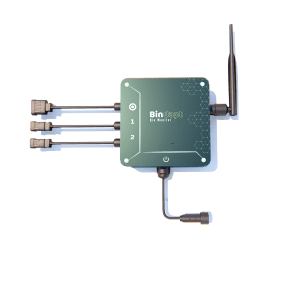
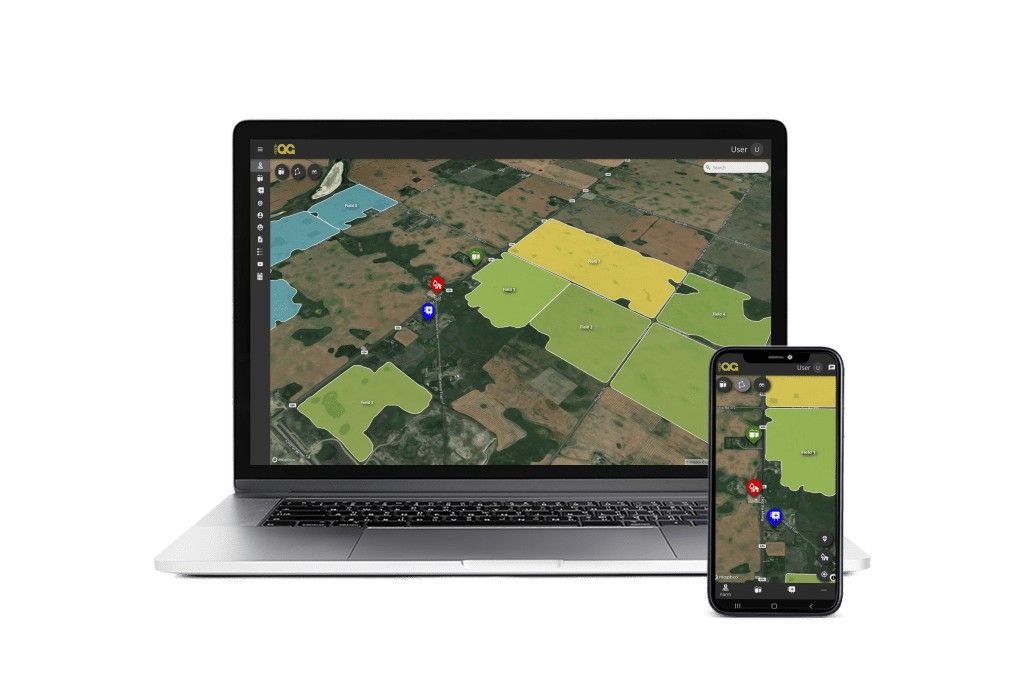
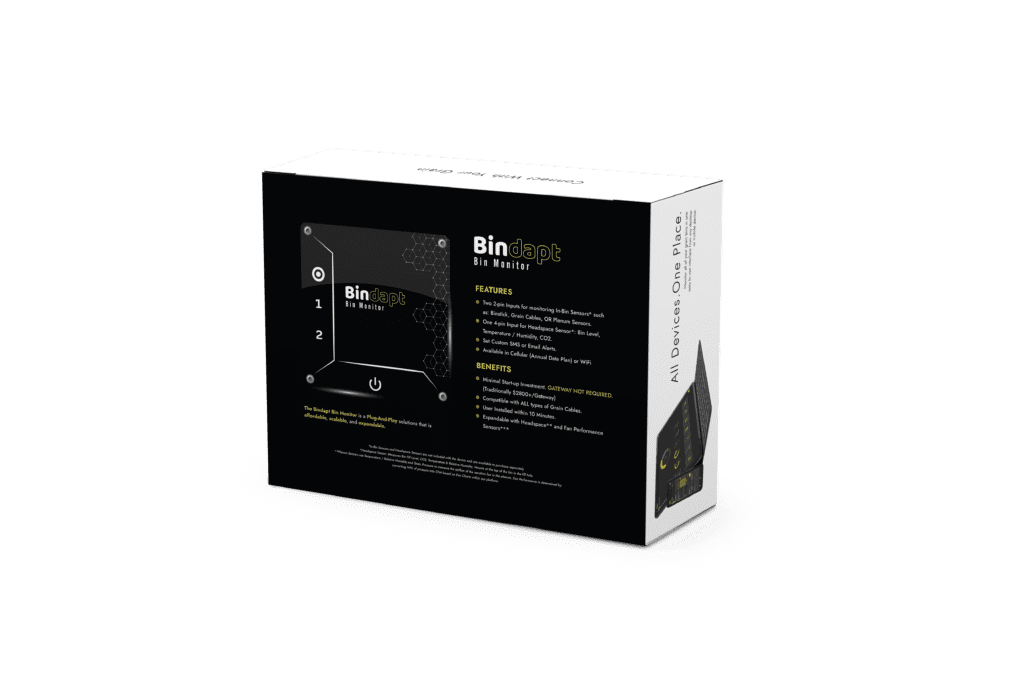
Modern grain management technology can collect data from temperature and moisture cables, plenum sensors, and CO₂ sensors. Adaptive Agriculture’s monitoring tools provide alerts and condition histories that can help producers identify changes sooner. However, technology should supplement, not replace, regular physical inspections of the grain and aeration equipment.
Protecting soybeans through every season
Effective aeration helps keep stored soybeans cool and maintain more consistent conditions throughout the grain mass. To maintain these conditions throughout storage, begin cooling in the fall, complete each cooling cycle, and continue monitoring the grain after the fans stop.
By considering moisture, temperature, airflow, grain condition, and storage time together, producers can better manage soybean storage bins and reduce the risk of quality loss.
Frequently asked questions