Keeping grain in good condition after harvest requires careful management throughout the storage period. Moisture, temperature changes, poor airflow, and insects can all cause grain to spoil, leading to quality losses and lower returns when it’s time to sell.
This guide covers the key steps for storing grain safely after harvest, including recommended moisture levels, cooling schedules, warning signs of spoilage, and how grain bin monitoring can help you catch problems early.
What causes grain to spoil in storage?
Several problems can cause grain to deteriorate during storage. Some develop because of the grain’s condition at harvest, while others result from moisture, temperature, airflow, or pests inside the bin.
- Grain stored above the appropriate moisture level: Grain that is too wet for the planned storage period is more likely to spoil, particularly when wet pockets are hidden by averaging multiple sample readings.
- Poor starting quality: Drought-stressed, frost-damaged, or cracked kernels can be more prone to mold and spoilage than sound grain.
- Fines and foreign material: These can collect in the center of the bin and restrict airflow, causing air to move around the material instead of through it.
- Moisture migration: Temperature differences within the bin can move moisture toward colder areas, where it may condense and create wet grain or crusting.
- Insect infestations: Insects can enter bins through leftover grain, unclean harvesting and handling equipment, or grain already infested before storage.
Key steps for managing grain safely in storage
1. Dry grain to the right moisture level
Safe moisture levels depend on the crop and storage period.
Crop | Planned Storage Period | Maximum Moisture Content |
Corn and grain sorghum | Sold by spring | 15.5% |
Corn and grain sorghum | 6 to 12 months | 14% |
Corn and grain sorghum | More than 1 year | 13% |
Soybeans | Sold by spring | 14% |
Soybeans | Up to 1 year | 12% |
Soybeans | More than 1 year | 11% |
Wheat | Up to 6 months | 14% |
Wheat | More than 6 months | 13% |
Oil sunflowers | Up to 6 months | 10% |
Oil sunflowers | More than 6 months | 8% |
These targets assume clean, good-quality grain in an aerated bin. Reduce moisture targets by about one percentage point for drought-, frost-, or disease-damaged grain.
2. Prepare bins before filling
Before loading grain into the bin, complete these preparation steps:
- Remove old grain and debris from bins, including beneath the floor where accessible.
- Clean combines, trucks, augers, and legs to prevent insect carryover.
- Check the roof, hatches, fill cap, and seals for leaks.
- Avoid mixing new grain with old grain.
3. Cool grain with aeration
Start aeration when the average outdoor temperature is 10–15°F below the grain temperature. Run fans until the cooling front moves through the entire bin to maintain uniform grain temperatures and reduce moisture migration.
In most of the Corn Belt, aim for a grain temperature of 35–40°F by the start of winter, then maintain that temperature throughout winter. During warmer months, keep grain as cool as practical, running fans only when necessary and during cooler periods.
Cooling cycle times
The table below shows the estimated hours needed for a cooling or warming front to move through the entire grain bin at different airflow rates.
Airflow (cfm/bu) | Fall Cooling (hours) | Winter Cooling (hours) | Spring Warming, if Needed (hours) |
1/10 | 150 | 200 | 120 |
1/5 | 75 | 100 | 60 |
1/4 | 60 | 80 | 48 |
1/2 | 30 | 40 | 24 |
1 | 15 | 20 | 12 |
These times are approximate and may vary depending on grain type, grain depth, grain condition, and airflow distribution.
4. Check grain regularly for spoilage
Inspect grain weekly during fall, spring, and summer, and every two weeks during winter once the grain has cooled.
Watch for:
- Crusting, clumping, or wet grain near the surface.
- Frost or condensation beneath the roof.
- Musty or sour odors.
- Grain temperatures rising by 1–2°F per week in the same area of the bin.
- Cooling cycles taking longer than expected.
If grain starts heating, run aeration fans to help control temperatures while investigating the cause. If cooling is ineffective, consider unloading, drying, cleaning, or selling the affected grain.
5. Use grain bin monitoring to catch problems early
Regular grain bin inspections are essential, but monitoring systems can help detect changes inside the grain between checks.
Adaptive Agriculture offers tools to monitor stored grain and control aeration:
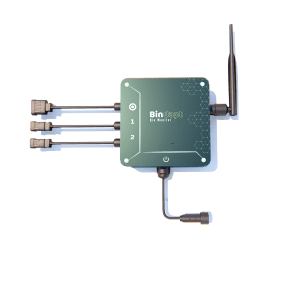
- V2 Bindapt+ 2.0 Monitor: Tracks grain temperature and moisture using OPI and Bin-Sense cables. Sends text and email alerts when potential problems are detected.
- CO₂ Headspace Sensor: Measures carbon dioxide levels inside the bin to help detect spoilage before grain temperatures rise.
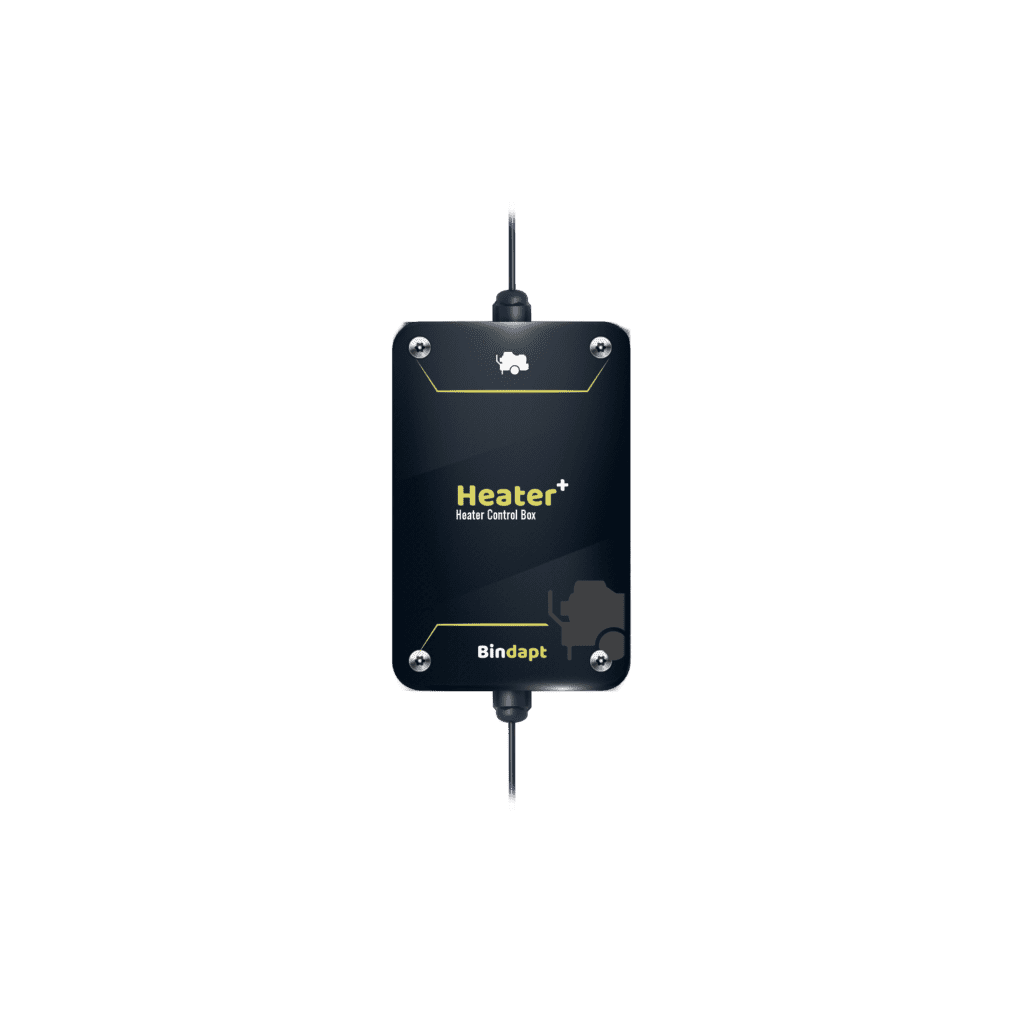
- V2 Bindapt+ 2.0 Automate: Automatically controls aeration fans based on grain conditions and outdoor temperature and humidity.
- Visual Farm: Displays sensor readings, alerts, and grain conditions across multiple bins in one dashboard.
Protect grain quality until it’s sold
Safe grain storage starts with good bin management. Drying grain to the right moisture level, preparing bins properly, managing aeration, and checking conditions regularly can help maintain grain quality and reduce storage losses.
For help with grain bin monitoring, CO₂ sensing, or automated aeration, contact the Adaptive Agriculture team to find the right solution for your storage setup.
Frequently asked questions