Corn needs to reach a suitable moisture level for safe, long-term storage, but the best drying method depends on your operation and harvest conditions. Harvest moisture, daily volume, labor availability, fuel access, drying capacity, and existing equipment all influence which method makes the most sense.
Both in-bin and continuous-flow drying can protect grain quality when managed properly, but they differ significantly in drying speed, equipment requirements, grain-handling needs, and operating costs.
How in-bin corn drying works
With in-bin corn drying, grain remains in the storage bin while a fan moves natural or heated air through the corn. Airflow is critical to the process because enough air must pass through the full depth of the grain to move the drying front from the bottom of the bin to the top.
Fan capacity, static pressure, grain depth, fines, and how evenly the bin is filled all affect drying performance. If airflow is too low, drying can take longer, and the grain near the top of the bin may remain wet.
The main advantage of in-bin drying is reduced grain handling because the same bin can be used for both drying and storage. The primary limitation is drying time, as natural-air drying may take several weeks and depends heavily on outdoor conditions.
Corn at about 20% moisture can be dried with an airflow rate of approximately 1 cubic foot per minute per bushel (cfm/bu) when conditions are suitable. Higher-moisture corn requires greater airflow and may exceed the safe drying capabilities of a natural-air system.
How a continuous-flow dryer handles wet corn
A continuous-flow grain dryer receives wet corn, moves it steadily through a heated drying section, and discharges it at a lower moisture level. The dried corn is then transferred to a bin for cooling and storage.
This type of system is designed for higher throughput. It can process corn continuously as it arrives from the field, making it practical when combines are harvesting faster than an in-bin system can dry the grain.
The tradeoff is the need for additional equipment and grain handling. The operation requires conveying equipment, adequate fuel capacity, electrical service, controls, and storage space for the dried corn. Operators must also monitor discharge moisture and grain temperature to prevent overdrying, excessive fuel use, and kernel damage.
In-bin vs. continuous-flow drying
Factor | In-bin drying | Continuous-flow drying |
Drying speed | Usually takes days or weeks, depending on airflow, moisture, and weather | Processes corn continuously at a rate determined by dryer capacity and incoming grain moisture |
Energy use | Primarily uses electricity to power fans unless supplemental heat is added | Commonly uses propane or natural gas along with electricity |
Grain handling | Corn can remain in the same bin after drying | Corn moves through the dryer and then into a storage bin |
Moisture suitability | Better suited to lower-moisture corn within the bin’s airflow and drying capacity | Can handle wetter corn within the dryer manufacturer’s operating limits |
Grain quality | Lower drying temperatures generally reduce the risk of kernel cracking and heat damage | Higher drying temperatures require careful control to protect grain quality |
Equipment needs | Requires a suitable bin, drying fan, floor, vents, and controls | Requires a dedicated dryer, conveying equipment, controls, and storage for dried corn |
When in-bin drying may be the better fit
In-bin drying can work well when harvest volume aligns with available bin capacity and the corn is within the system’s moisture and airflow limits. It may also suit operations looking to reduce grain handling and make use of existing storage infrastructure.
Managing fines is important. Fines can accumulate beneath the fill spout, restrict airflow, and contribute to uneven drying. Leveling the grain and removing part of the center core can help improve airflow through the grain mass.
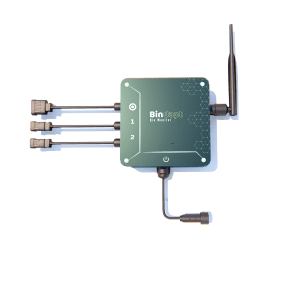
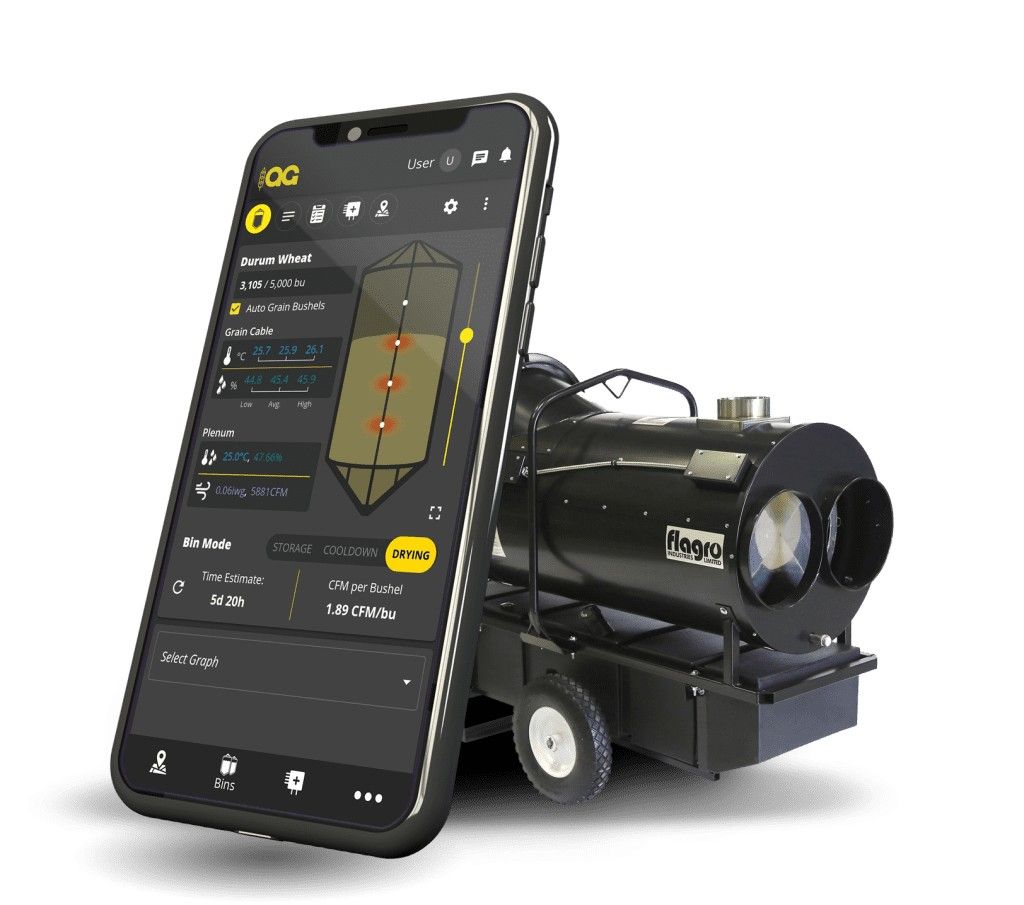
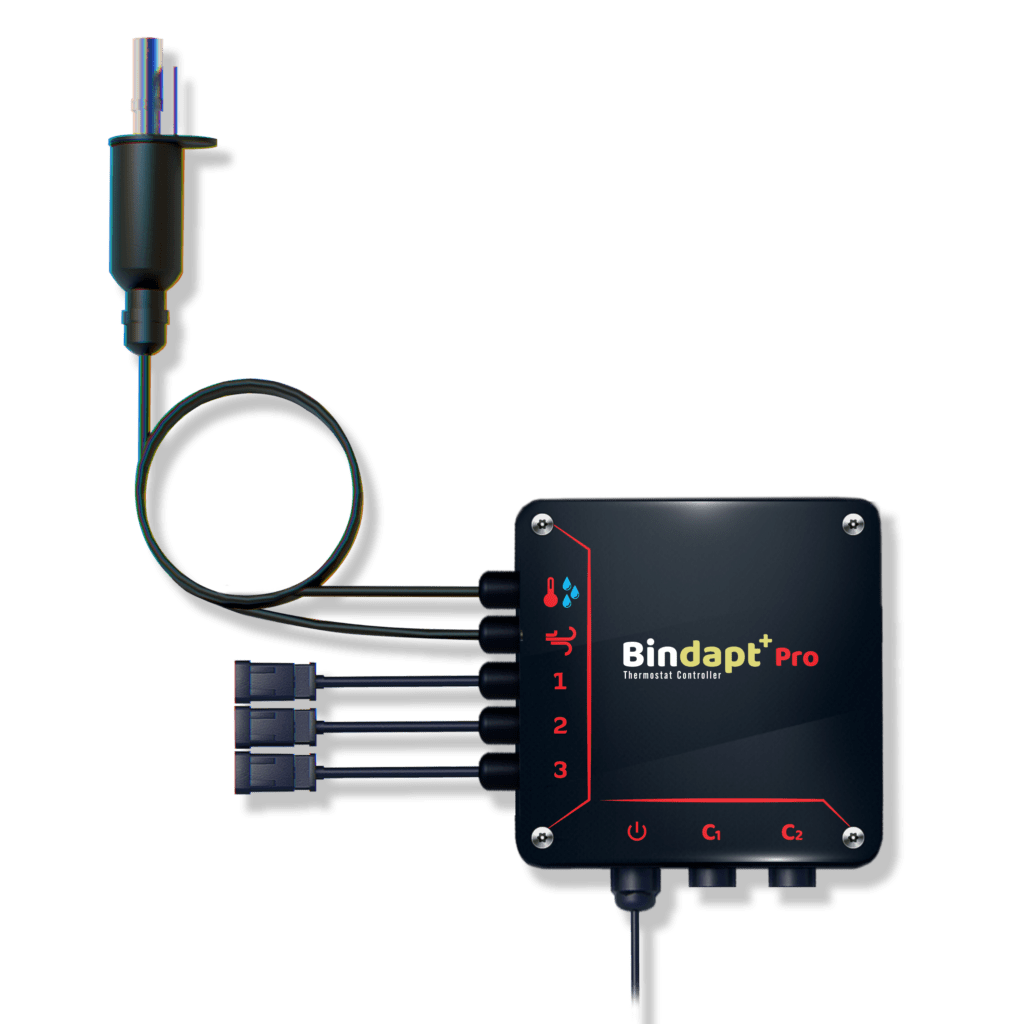
Adaptive Agriculture’s in-bin grain drying systems use monitoring, airflow, and compatible control components to help manage the drying process. Available sensors can track conditions within the grain and plenum, helping producers assess airflow, temperature, and drying progress.
When continuous-flow drying may be more practical
Continuous-flow equipment can make sense when large volumes of wet corn need to be dried within a short harvest window. Higher throughput can help prevent drying capacity from limiting combine activity.
This method may also suit operations that already have the necessary conveying equipment and storage capacity. Where additional investment is needed, higher daily drying volumes may help justify the cost.
Corn leaving a high-temperature dryer may still require cooling. Hot corn transferred to storage should be cooled promptly to limit condensation and moisture movement. Overdrying should also be avoided, as it increases fuel use, reduces saleable weight, and can make kernels more susceptible to breakage.
Why monitoring matters with either method
Reaching the target moisture level in one part of a load or bin doesn’t necessarily mean all the corn has reached the same moisture level. Corn can dry unevenly, creating variations that may contribute to condensation, moisture migration, mold growth, or heating during storage.
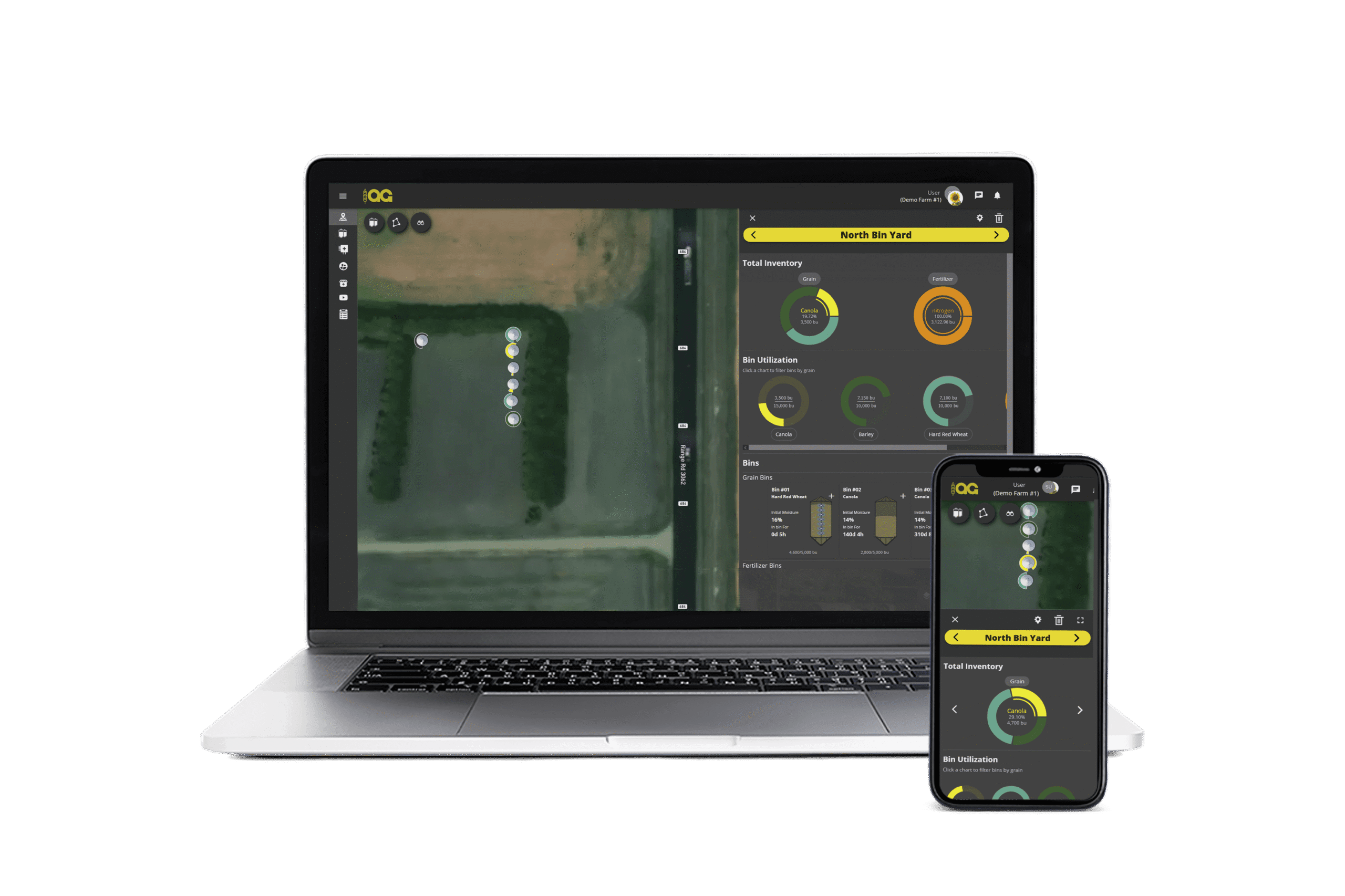
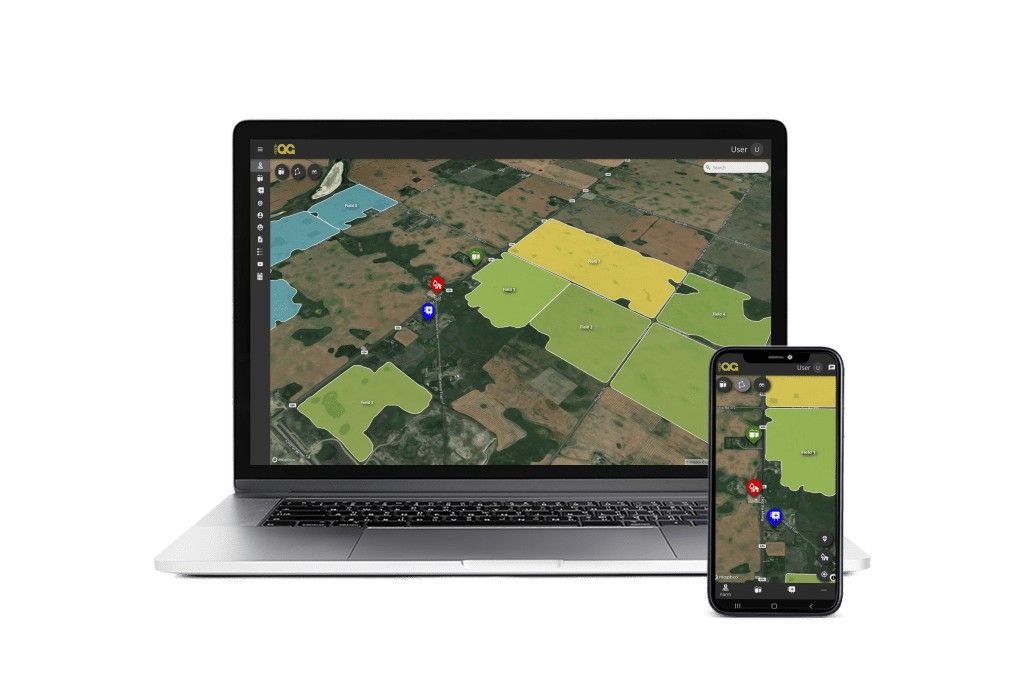
Modern grain drying systems often use temperature cables, plenum sensors, ambient sensors, and fan controls to provide a clearer view of changing conditions. Adaptive Agriculture’s grain management platform allows operators to review sensor data, set alerts, and monitor multiple bins from one place.
When comparing corn drying systems, producers should look beyond advertised capacity. Fan performance, energy availability, harvest moisture, labor requirements, storage plans, and available drying time all affect which system will work best for a specific operation.
To learn more about how heat, airflow, grain depth, and sensor readings affect the drying process, read our corn drying blog.
Choosing the right drying method
Each method has its own advantages and limitations. In-bin drying can reduce grain handling and make use of existing storage, but it requires adequate airflow and sufficient time to complete the drying process. Continuous-flow drying offers greater throughput but requires additional equipment, fuel, and grain handling.
The right choice depends on expected harvest moisture, bin capacity, available labor, fuel access, airflow, and the number of bushels that must be dried each day. Comparing these factors provides a more reliable basis for choosing a drying method than considering drying speed or purchase price alone.
Frequently asked questions