Grain can enter storage dry and in good condition, yet develop spoilage later in specific areas of the bin. Changes in temperature, moisture, and airflow can create localized conditions that allow grain quality to deteriorate.
Understanding why the top center is vulnerable can help farmers recognize warning signs, monitor stored grain more effectively, and address problems before they affect a larger portion of the grain mass.
Why is the top center of the bin prone to grain spoilage?
The top center of a grain bin can become vulnerable to spoilage when conditions within the grain mass change and moisture accumulates there. Several factors can contribute to the problem.
Moisture movement through stored grain
Temperature differences within the grain mass can cause air to circulate naturally. When warmer air rises through the center, it can carry moisture toward cooler grain near the surface.
This process, known as moisture migration in grain storage, can cause moisture to accumulate in the upper portion of the grain mass and increase the risk of spoilage.
Fines accumulating near the center
Fines may concentrate near the center of the bin during filling, increasing resistance to airflow and reducing the cooling effect of aeration. As a result, grain in this area may remain warmer or retain more moisture than the surrounding grain.
Although fines are not always the main cause of top-center spoilage, they can contribute to conditions that favor its development.
Uneven airflow through the grain
Air tends to follow paths of least resistance through stored grain. Differences in grain depth, such as a peaked grain surface making the deeper grain near the center, can cause some areas to receive less airflow than others.
This greater depth increases resistance to airflow, so the top center may receive less effective airflow during aeration and cool more slowly than other areas. Leveling the grain can help promote more even airflow through the bin.
What happens when grain starts to spoil at the top of the bin?
Once spoilage begins, it can affect stored grain in several ways:
- Localized heating: Biological activity in moist grain can generate heat, contributing to further deterioration.
- Mold growth: Warm, moist conditions can support mold growth. Visible mold indicates that grain quality has already deteriorated.
- Reduced grain quality: Spoilage can affect appearance, odor, and marketability. Caking or crusting may also develop near the surface.
- Spread to surrounding grain: A localized problem can expand as heat and moisture affect nearby grain. The rate of deterioration depends on grain type, moisture content, temperature, airflow, and storage duration.
How to prevent grain spoilage at the top of the bin
Preventing spoilage at the top center of a grain bin requires stable storage conditions and regular monitoring throughout the storage period.
Dry grain before storage and keep water out
Moisture is one of the main causes of grain spoilage. Before filling the bin, make sure the grain is dried to a safe moisture level for its type and intended storage period.
Prevent rain and outside moisture from entering through roof leaks, vents, hatches, or other openings. Even a small amount of water reaching the top layer can create localized areas of spoilage.
Use aeration to manage grain temperature
Proper aeration helps maintain more uniform grain temperatures throughout the bin. Operate the aeration system when conditions are suitable to reduce temperature differences that can contribute to moisture migration.
Make sure roof vents and other air outlets are clear. Restricted airflow can reduce aeration effectiveness and allow warm, humid air to accumulate near the top of the bin.
Manage fines and level the grain surface
Removing accumulated fines near the center of the bin or using grain spreaders and other management practices can help improve airflow through the grain mass. After filling, level the grain surface rather than leaving a tall peak in the center.
Use real-time monitoring to detect developing problems
Regular monitoring can help identify changing conditions before visible spoilage develops. Temperature and moisture cables track conditions within the grain, while plenum and ambient sensors monitor air conditions. A headspace CO₂ sensor can provide an additional indicator of grain deterioration.
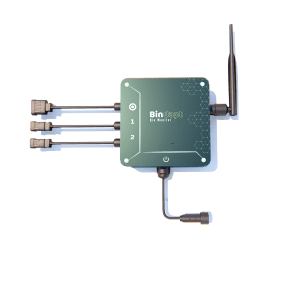
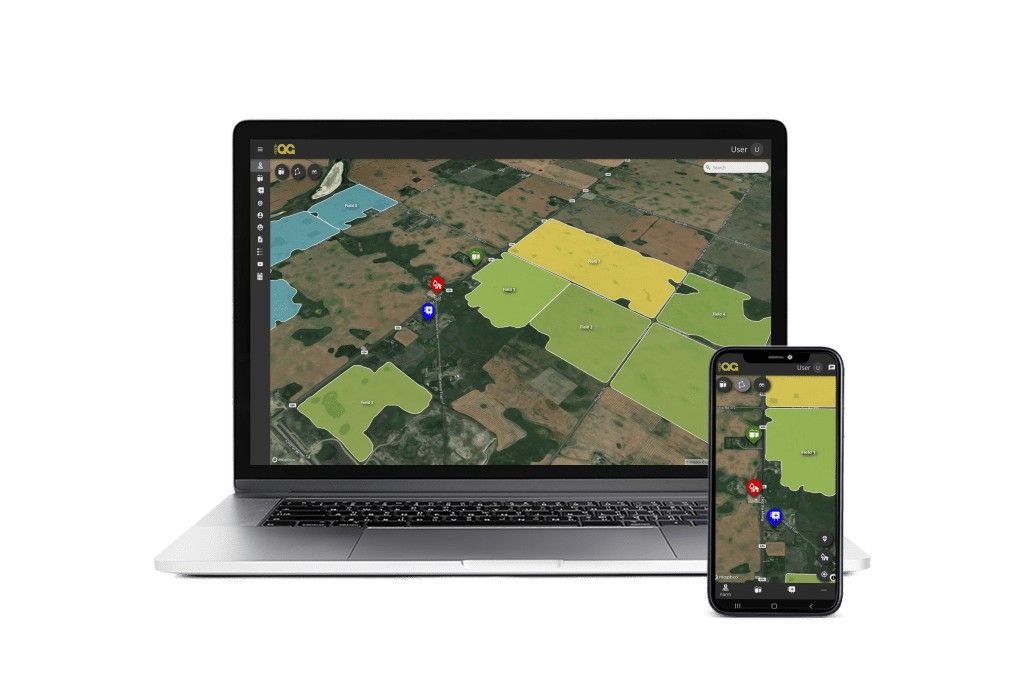
Our V2 Bindapt+ 2.0 Monitor brings these sensor readings together in Visual Farm, allowing operators to monitor conditions remotely and receive alerts when attention is needed. This helps operators identify and address developing storage problems earlier.
Protect grain quality from filling to unloading
Preventing top-center spoilage requires consistent attention to moisture, temperature, and airflow. Proper drying, effective aeration, fines management, and a level grain surface all help reduce the conditions that allow spoilage to develop.
Combine these practices with regular checks and monitoring data to make timely storage decisions and protect grain quality throughout the season.
Need help monitoring your stored grain? Contact us to discuss options for your operation.
Frequently asked questions