Grain sorghum (milo) is often ready to harvest before it reaches a suitable moisture level for sale or storage. In the field, it may not reach 14% moisture for marketing or 13.5% for storage until after a killing frost or desiccant application. That makes postharvest drying an important part of managing the crop.
The challenge is removing moisture evenly. Grain near the bottom of a bin may continue drying while the upper layers remain wet. A single moisture reading may not reflect these differences, making the grain appear ready when some areas still need more drying. Avoiding the following mistakes helps protect grain quality without drying it more than necessary.
Common drying mistakes and how to avoid them
Filling the bin to the same depth as corn
Sorghum’s smaller kernels create more resistance to airflow than shelled corn. At the same grain depth, a fan will generally move less air through sorghum. As a result, the drying front takes longer to reach the top of the bin, giving the lower layers more time to overdry.
For in-bin drying, a useful starting point is a sorghum depth of about two-thirds to three-quarters of the depth used for corn. However, the exact fill depth will depend on the fan, the bin, and the amount of moisture you need to remove.
Check the fan’s performance at the expected static pressure before assuming an existing corn setup can handle the same volume of sorghum. A plenum sensor can help by measuring static pressure in the bin.
Using too much supplemental heat
Heat increases drying potential, but a higher temperature setting cannot overcome inadequate airflow. When heated air moves too slowly through the grain, the lower layers may overdry while grain farther up stays wet.
Too much heat can also affect grain quality, so the drying temperature should suit the grain’s intended use:
End Use | Maximum Drying Air Temperature |
Sorghum seed | 110°F |
Milling or food processing | 140°F |
Livestock feed | 180°F |
Even a modest increase in air temperature lowers relative humidity and increases drying potential. How much supplemental heat is appropriate depends on incoming grain moisture, airflow, outdoor conditions, and grain depth.
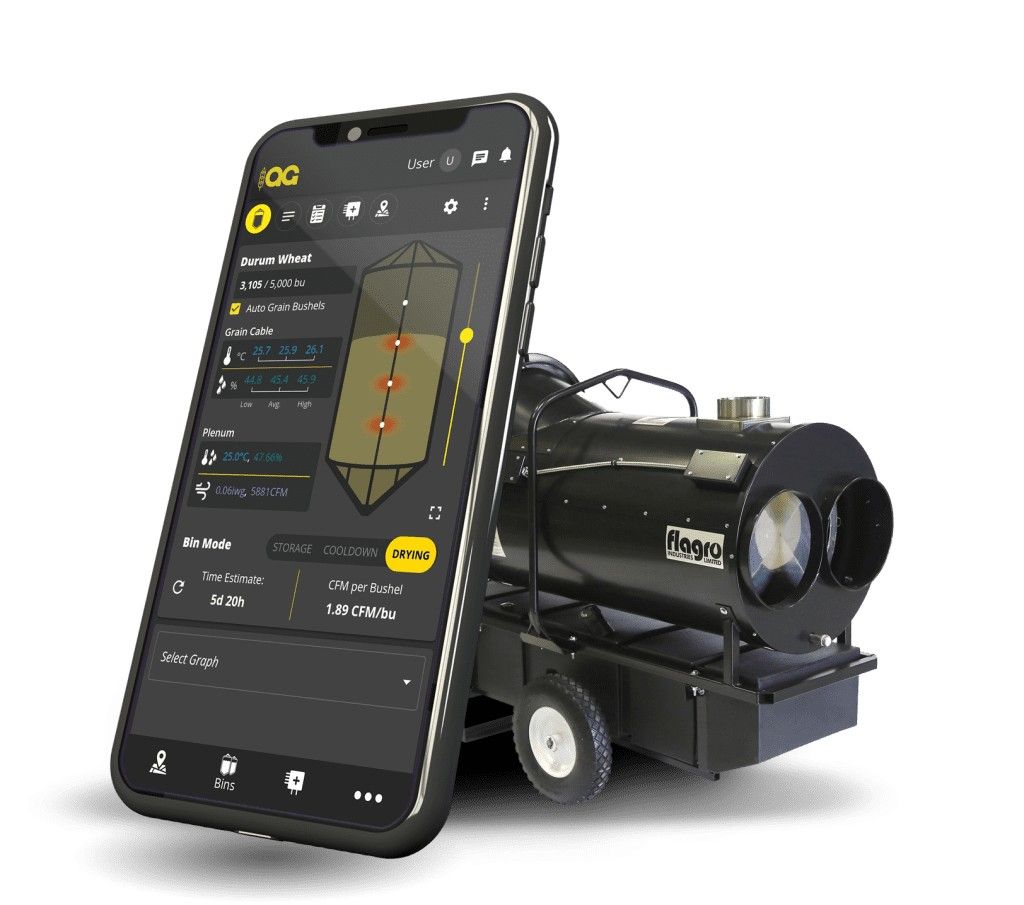
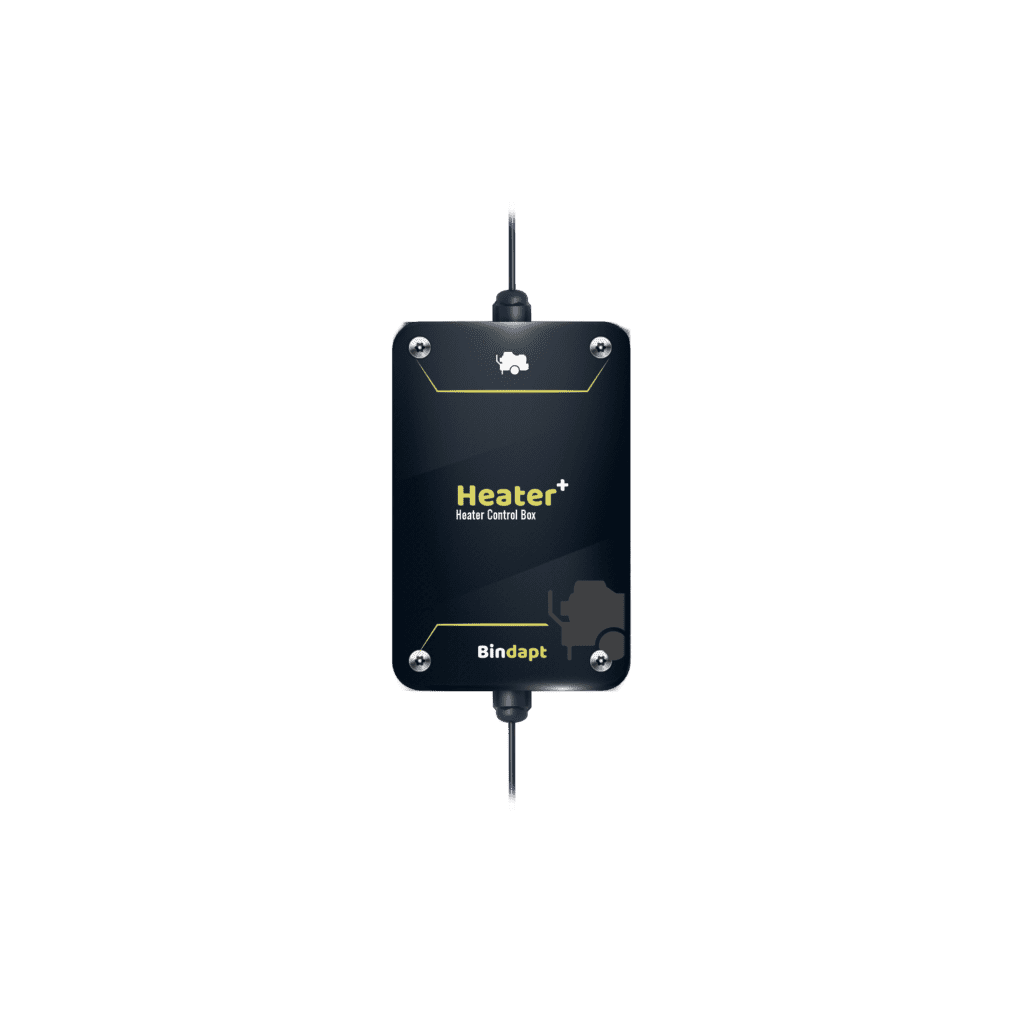
Adaptive Agriculture’s in-bin grain drying systems let you monitor drying conditions and adjust supplemental heat as needed, making it easier to fine-tune the drying process.
Running fans without accounting for air conditions
The drying potential of natural air varies from day to day. Air temperature and relative humidity determine the moisture level sorghum will approach when exposed to those conditions long enough. This is known as equilibrium moisture content.
Air Temperature | Relative Humidity | Approximate Equilibrium Grain Moisture |
70°F | 40% | 10.2% |
70°F | 60% | 12.6% |
70°F | 70% | 13.9% |
60°F | 80% | 15.7% |
These values describe how grain responds over time to sustained air conditions.
They show why running fans on a fixed schedule can cause problems. Humid air may offer limited drying potential, depending on the grain’s current moisture content, while extended exposure to very dry air can bring some layers below the intended moisture target.
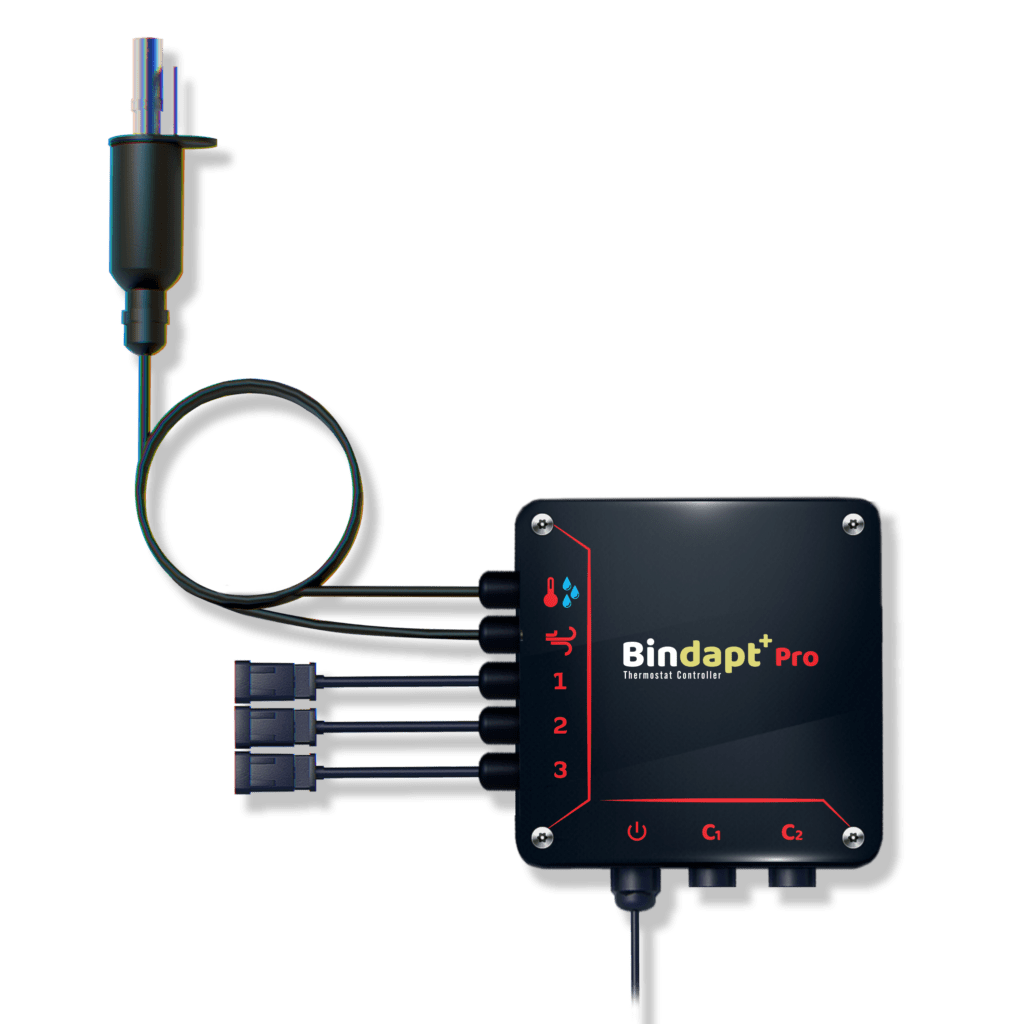
The V2 Bindapt+ 2.0 Automate works with an ambient sensor and Aeration+ controller to automate fan operation based on measured temperature and relative humidity. Instead of following a fixed schedule, the system uses current air conditions to identify suitable drying windows.
Allowing fines to build up in the center
Fines, chaff, and other material can collect in the center of a bin during filling. This concentration restricts airflow, leaving the center wetter while air moves more readily through the surrounding grain.
A grain spreader helps distribute material during filling. If you do not use one, remove the center core after filling to reduce the buildup of fines. Keep the removed material separate so it can be sold or fed first.
Also avoid leaving a high center peak for an extended period. The added grain depth makes airflow less uniform, and the peaked area is prone to heating.
Relying on a single moisture reading
A sample from one location cannot tell you whether an entire bin is dry. Moisture can vary between the bottom and top, and a surface sample provides little information about deeper layers.
Monitoring at several depths helps show whether the drying front is moving through the grain as expected. Compare moisture cable readings with representative grain samples rather than relying on a single reading to decide when to stop drying.
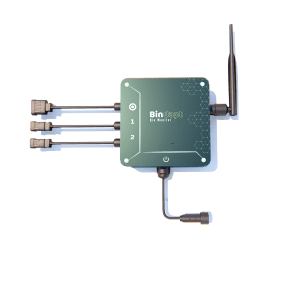
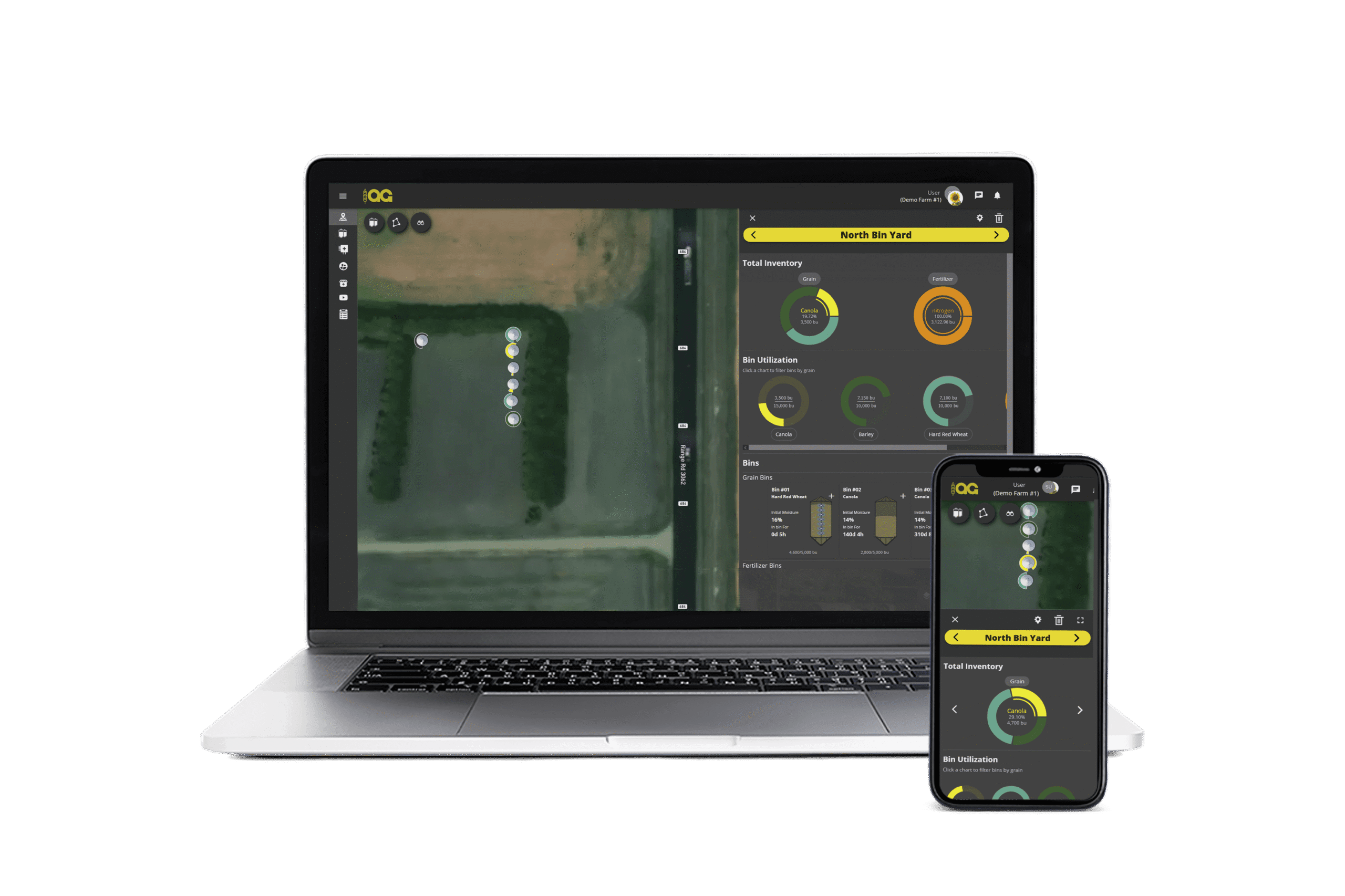
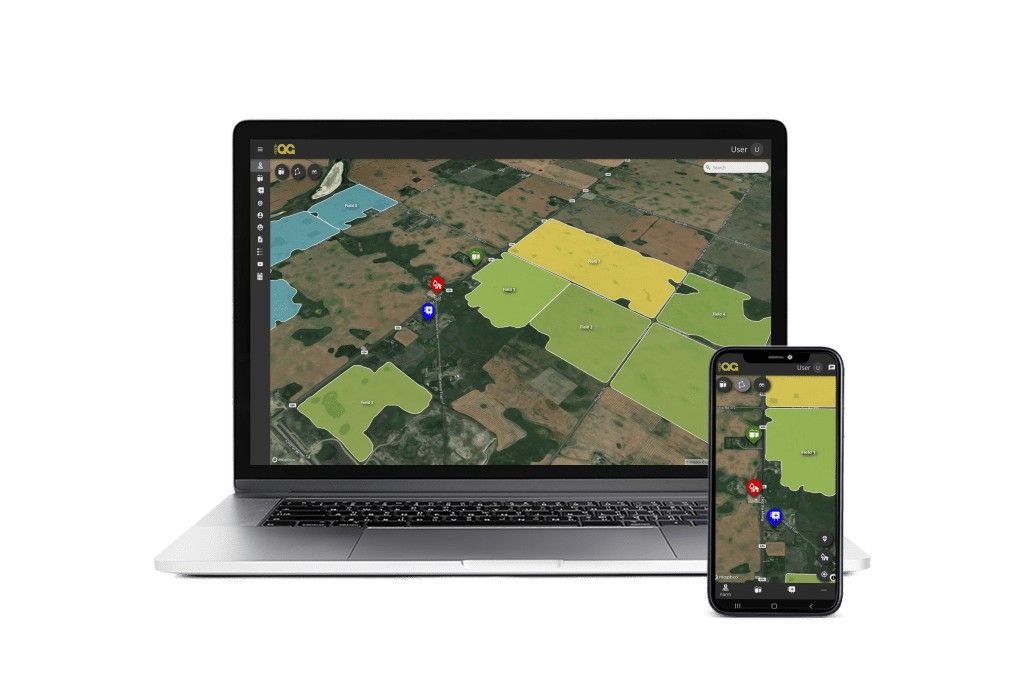
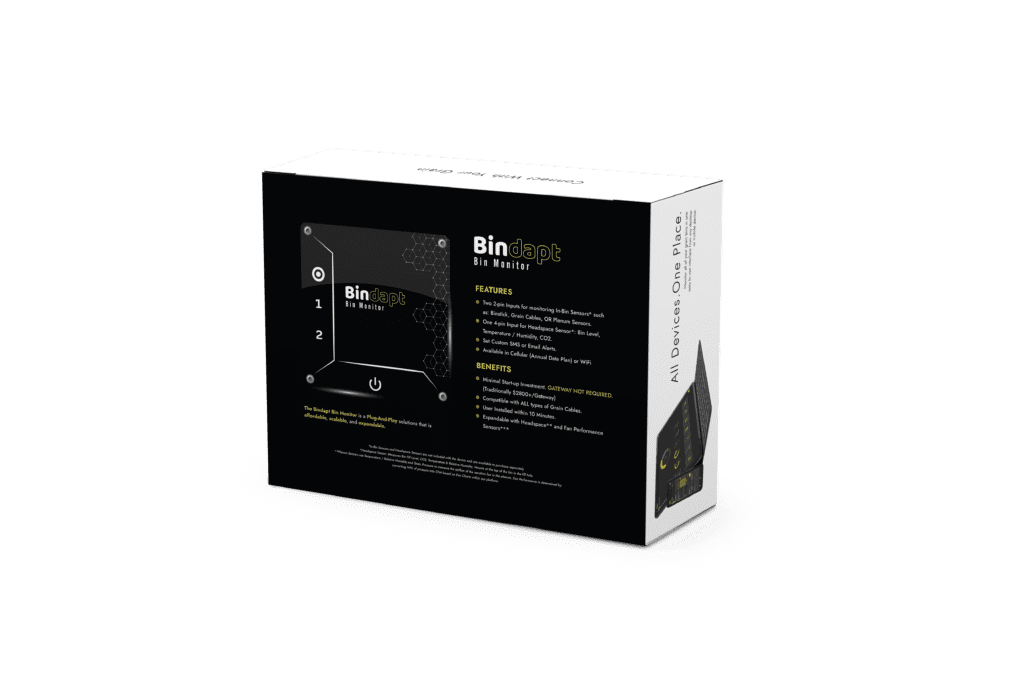
The V2 Bindapt+ 2.0 Monitor reads compatible grain cables and provides access to readings and alerts through Visual Farm. An optional headspace CO₂ sensor offers another way to detect developing storage problems.
Removing more moisture than necessary
Removing more moisture than necessary uses additional energy and reduces the weight of grain sold. The appropriate drying target depends partly on how long the sorghum will remain in storage.
About 14% moisture can be suitable when grain is cooled to 40°F or lower within a few weeks and sold before warm weather the following spring. A general safe storage target is about 13.5% or lower. For longer-term storage, a lower moisture target, often around 13%, may be appropriate.
These targets still depend on even drying, proper cooling, and continued monitoring. Choose a moisture target that fits the expected storage period rather than automatically drying to the lowest level.
Stopping grain management when drying ends
Reaching the target moisture does not end bin management. Changes in outdoor temperature can create temperature differences within the grain mass, increasing the risk of moisture migration, mold, and insect activity.
During the fall, aerate in stages as outdoor temperatures drop, generally keeping the grain within 10 to 15°F of average outdoor temperatures. Aim to cool it to 35 to 40°F by December.
Continue inspecting stored grain for changes in temperature or moisture, odors, crusting, and other signs of trouble. Monitoring equipment can reveal trends deeper in the bin, while regular inspections may catch problems sensors miss.
A more consistent approach to sorghum drying
Even drying starts with adequate airflow and an appropriate grain depth. From there, adjust fan operation and supplemental heat based on air conditions, check moisture at several locations, and stop drying at a target that suits your storage plan.
Adaptive Agriculture’s V2 Bindapt+ 2.0 Monitor and Visual Farm help you track conditions throughout the bin with grain cable readings and alerts. The Automate version adds control over fans and heaters when paired with the appropriate sensors and control modules.
To build a drying and monitoring setup around your bins, equipment, and storage goals, contact our team.
Frequently asked questions