Harvest season puts pressure on every part of a farming operation. Combines need to be ready, trucks need to keep moving, and grain bins need to be prepared for incoming crops. One piece of equipment that deserves attention before the first load arrives is your grain bin monitoring system.
Modern monitoring technology gives producers greater visibility into grain temperature, moisture, airflow conditions, and other factors that affect stored grain. But even the best technology is only useful when sensors, connectivity, alerts, and related equipment are working properly.
Taking time to inspect your grain monitoring system before harvest can help you identify potential problems early and ensure your bins are ready for a busy storage season.
Why pre-harvest grain bin monitoring checks matter
Once harvest begins, there’s little time to troubleshoot equipment. And once a bin is full, certain components, such as temperature and moisture cables buried in the grain, can be more difficult to access.
Checking your grain bin monitoring system ahead of time helps ensure it’s ready to provide reliable information as soon as grain goes into storage. With accurate data from the start, you can identify and respond to changing conditions before they threaten grain quality.
Pre-harvest grain bin monitoring checklist
1. Inspect temperature and moisture cables
Before harvest, inspect cables and connections for visible damage, loose connections, corrosion, or other signs of wear.
Next, confirm that the grain bin monitoring system is receiving readings from the expected cables and sensors. Missing or abnormal readings should be investigated before the bin is filled.
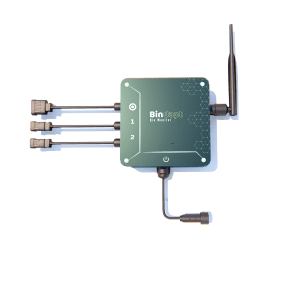
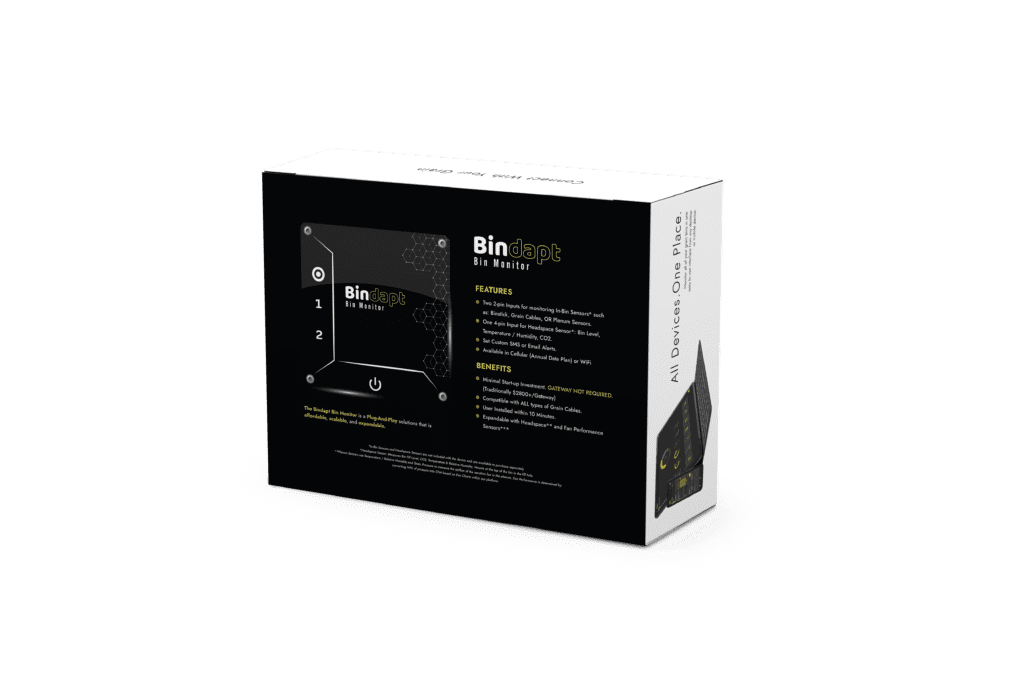
Adaptive Agriculture’s V2 Bindapt+ 2.0 Monitor reads compatible OPI and Bin-Sense grain cables, allowing farmers to connect their existing temperature and moisture cables to our grain management platform.
Checking these components while bins are still accessible is much easier than discovering a monitoring problem after thousands of bushels have already gone into storage.
2. Verify sensor readings
Confirm that sensors are installed correctly and connected to the monitoring system. Then, review current readings from each available sensor to make sure the data looks reasonable and identify anything that may need attention.
Depending on your setup, this may include:
- Grain temperature and moisture
- Ambient temperature and relative humidity
- Plenum temperature and relative humidity
- Static pressure
- Headspace CO₂
- Grain inventory levels
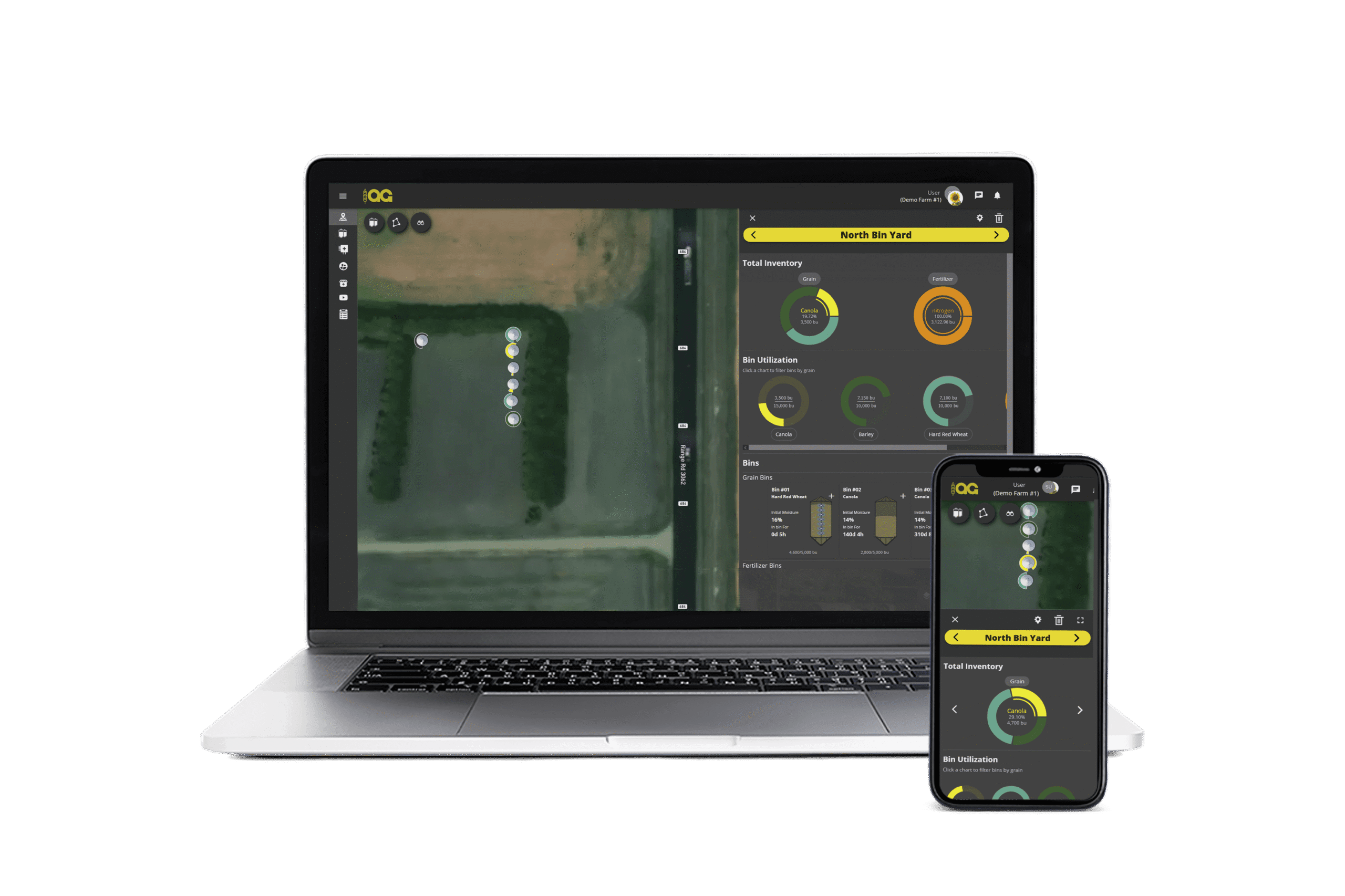
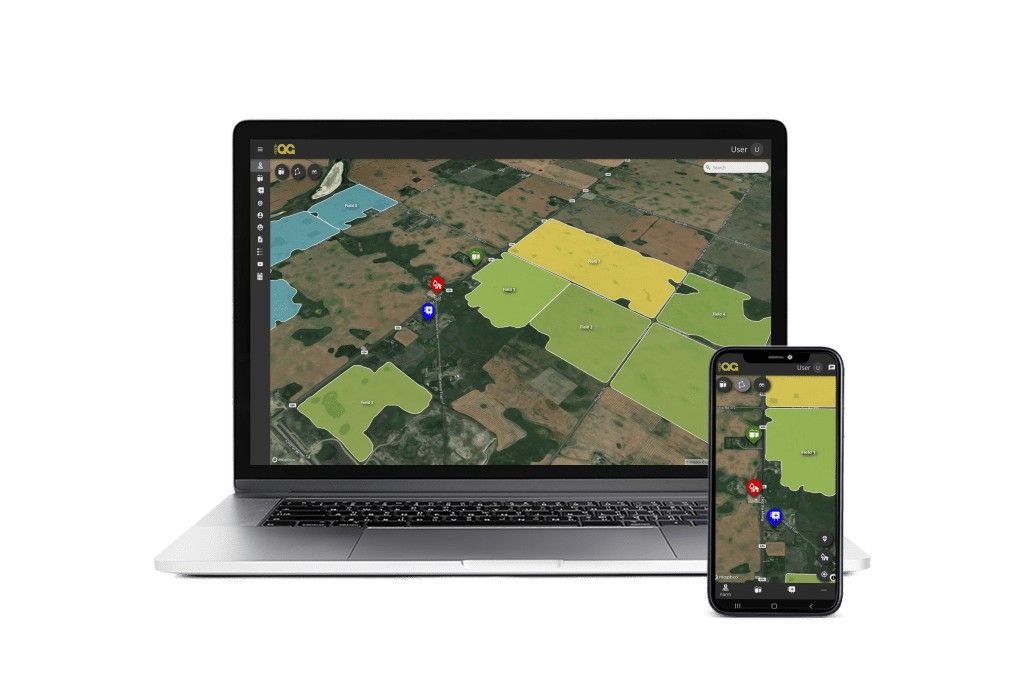
If you use Adaptive Agriculture’s connected monitoring system, you can view your sensor readings in the Visual Farm dashboard from your phone or desktop.
3. Test Wi-Fi or cellular connectivity
Remote grain monitoring depends on a reliable connection. If your monitoring equipment uses Wi-Fi, verify coverage throughout the bin yard. Large metal structures, distance from the router, and other physical obstacles can weaken the signal.
If your system uses cellular service, check reception at the bin site and confirm that devices are connected and transmitting data properly.
Adaptive Agriculture’s monitoring devices are available with Wi-Fi or cellular connectivity, allowing you to choose the option that best fits the connectivity available at your operation.
4. Review alerts and notifications
Review your alert settings to make sure they are configured appropriately for the bins and crops you want to monitor. Confirm that the right people are set up to receive notifications and that alerts are reaching them as expected.
Adaptive Agriculture’s Visual Farm platform lets you set custom text, email, and in-app alerts so your team can stay informed. Taking a few minutes to review these settings before harvest can help ensure that changing grain conditions don’t go unnoticed.
5. Check fans, controls, and automation
Along with your monitoring equipment, inspect aeration fans, exhaust fans, and any other equipment your grain bin relies on. Make sure controls are working properly, and automated systems can communicate with the equipment they’re designed to operate.
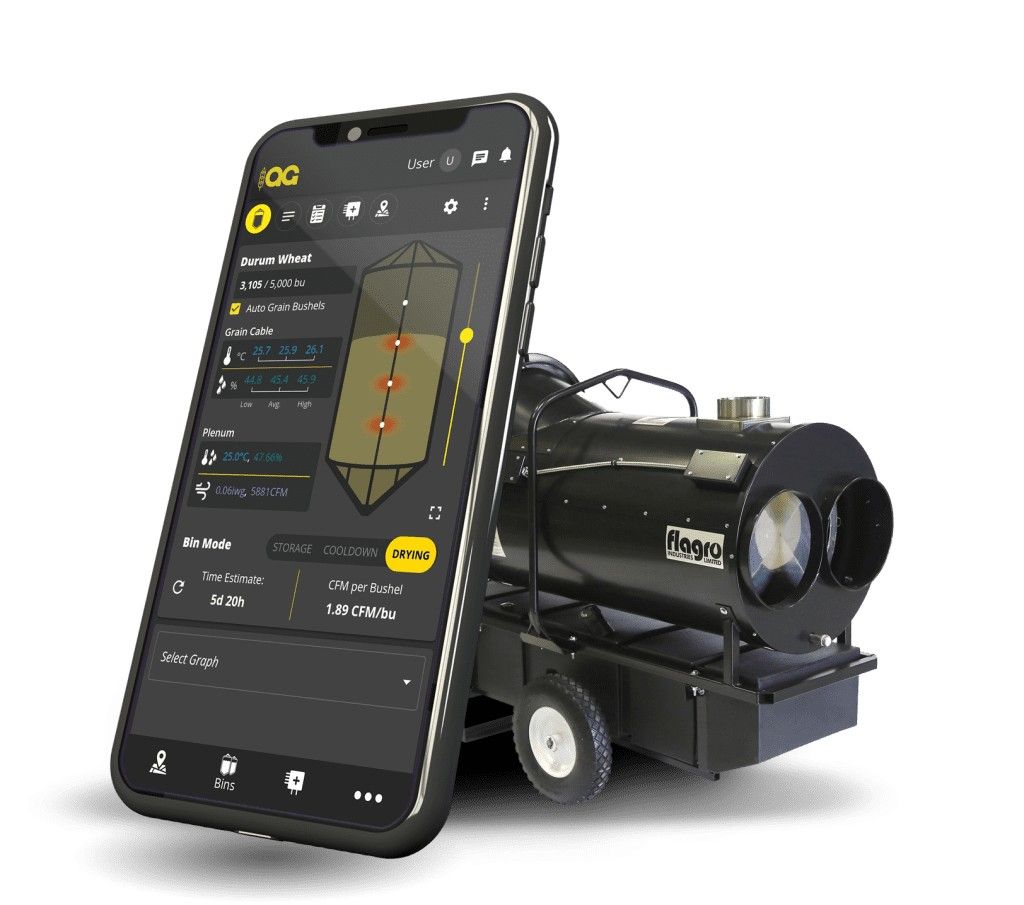
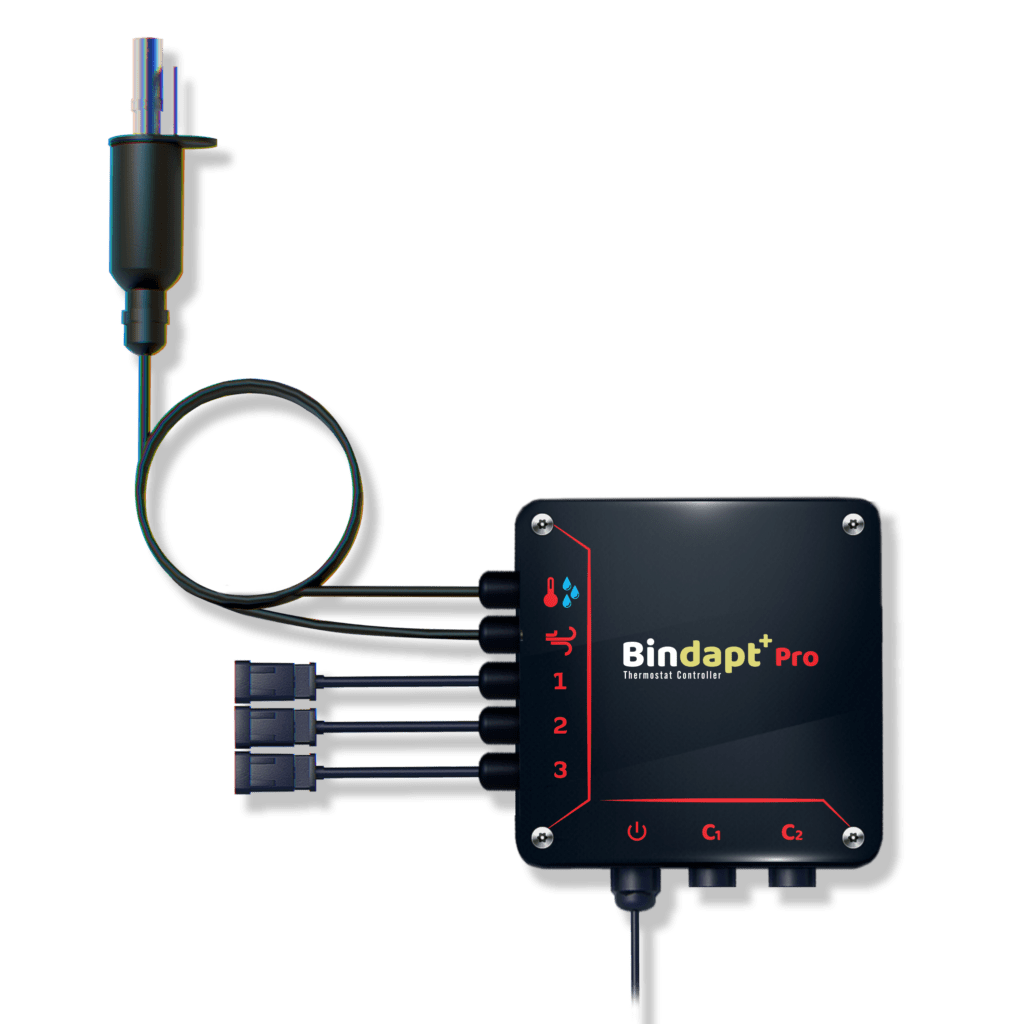
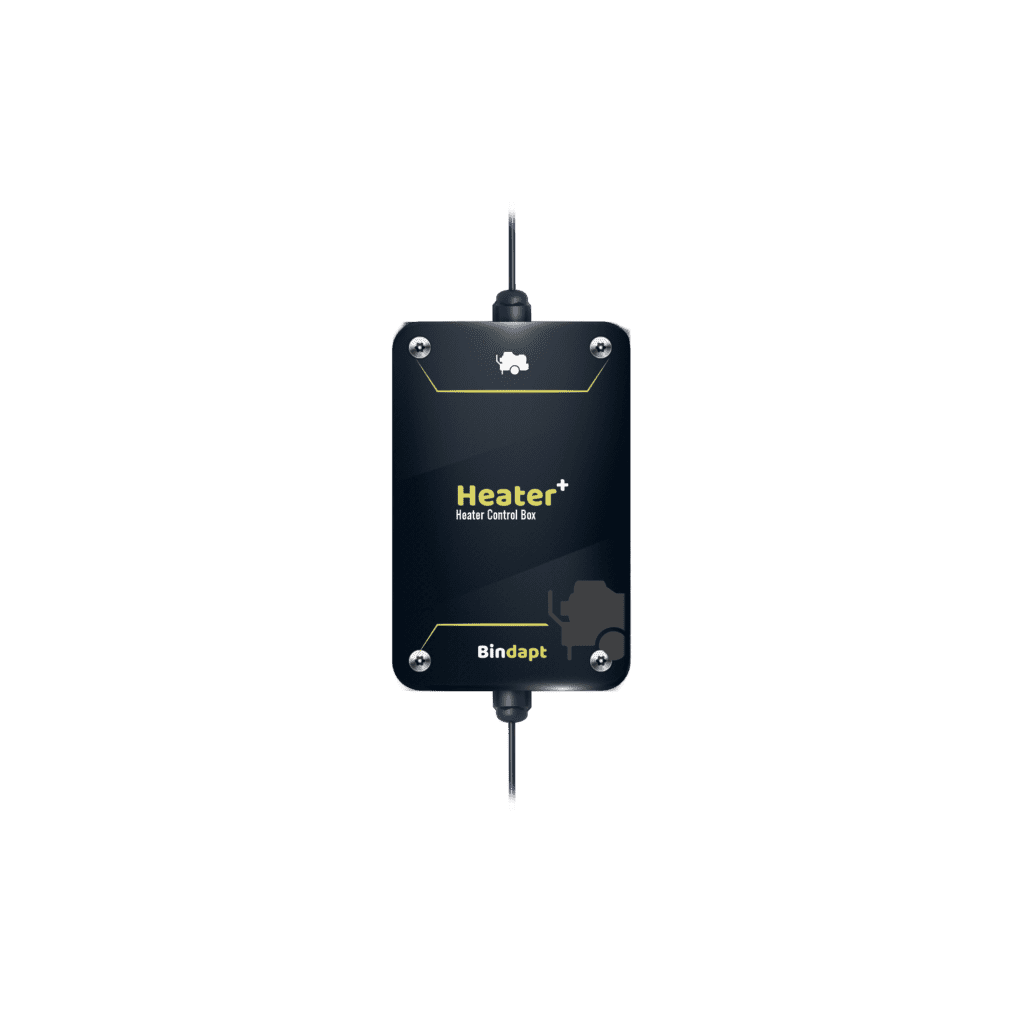
With the required sensors and modules installed, Adaptive Agriculture’s Bindapt+ 2.0 Automate can automate aeration, supplemental heaters, and more for natural-air drying, in-bin heated drying, grain cooling, conditioning, and hydration.
6. Make sure your team knows the system
For a remote monitoring system to be useful, the people managing stored grain need to know how to use it properly.
Before harvest, make sure everyone who will use the system knows how to access the monitoring dashboard, check individual bins, interpret basic trends, and recognize when something needs attention.
A quick refresher before harvest can prevent confusion later, when time is tight and storage decisions need to be made quickly.
Prepare your grain storage system before the rush
The weeks before harvest are the ideal time to prepare your monitoring setup. By checking your equipment, connectivity, alerts, and team readiness now, you can head into the season confident that your system is ready to help protect your stored grain.
If you’re interested in remote grain monitoring for your bin yard, contact Adaptive Agriculture. Our team can help you find the right monitoring and automation setup for your operation and get everything ready to go before the season starts.
Frequently asked questions