Corn can enter a bin in good condition and still develop problems months later. Temperature differences within the grain mass can cause air to circulate, carrying moisture from one area of the bin to another. If that moisture accumulates unnoticed, corn can develop crusting, mold, hot spots, or spoilage.
Protecting stored corn requires a coordinated approach: dry it appropriately, cool it evenly, aerate when conditions are favorable, and monitor it throughout storage.
Why moisture migration occurs in stored corn
Corn is a good insulator, so the center of a bin may stay warm even as outdoor temperatures fall. During cold weather, air tends to rise through the warmer center and descend along the cooler bin walls. As warm, moist air reaches colder corn near the top, moisture can condense.
Crusting, condensation beneath the roof, musty odors, or rising grain temperatures can signal deteriorating conditions. In warmer spring weather, natural air movement may reverse, allowing moisture to accumulate in the lower central portion of the bin.
The same principles apply to bins of any size. Corn stored for an extended period needs proper drying, airflow, and routine inspection.
Corn storage tips to prevent moisture migration and spoilage
Start with clean, evenly dried corn
Before filling the bin, remove old grain and debris, inspect fans and vents, check the roof for leaks, and test monitoring equipment. Inspect the corn for excessive fines and broken kernels, which can restrict airflow and increase the risk of spoilage.
Ideal corn storage moisture levels vary based on grain condition, how long the corn will be stored, and its intended use. Corn stored for longer periods generally needs to be drier, while warm, wet grain has a shorter allowable storage time.
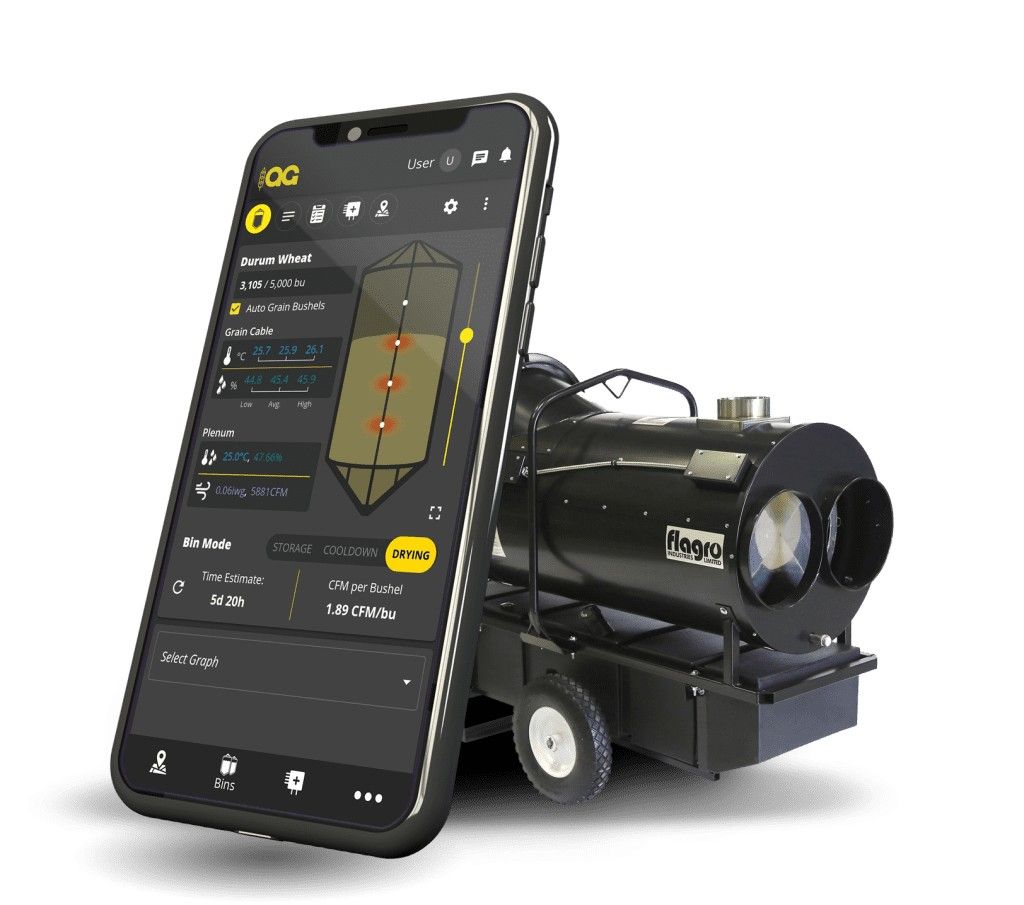
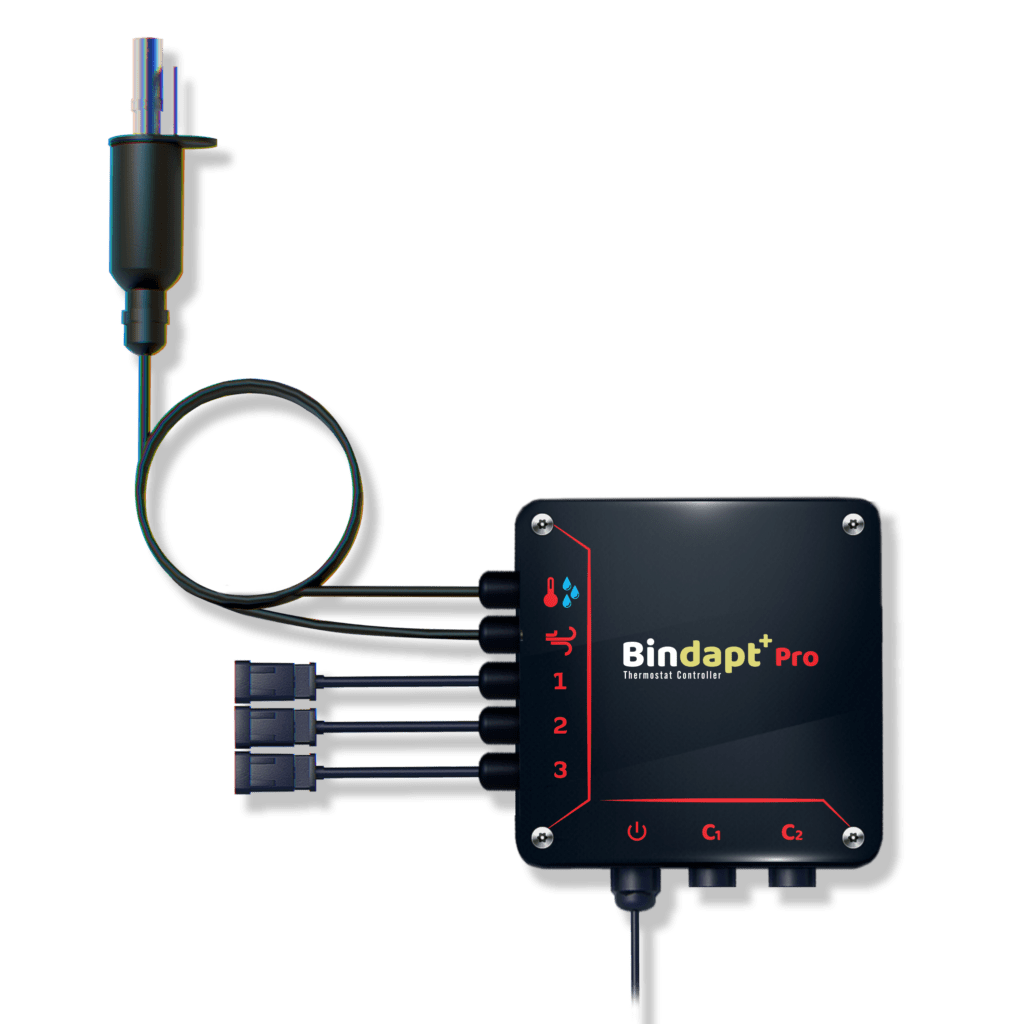
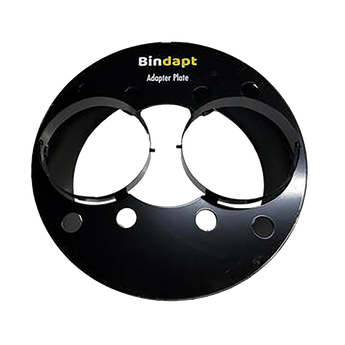
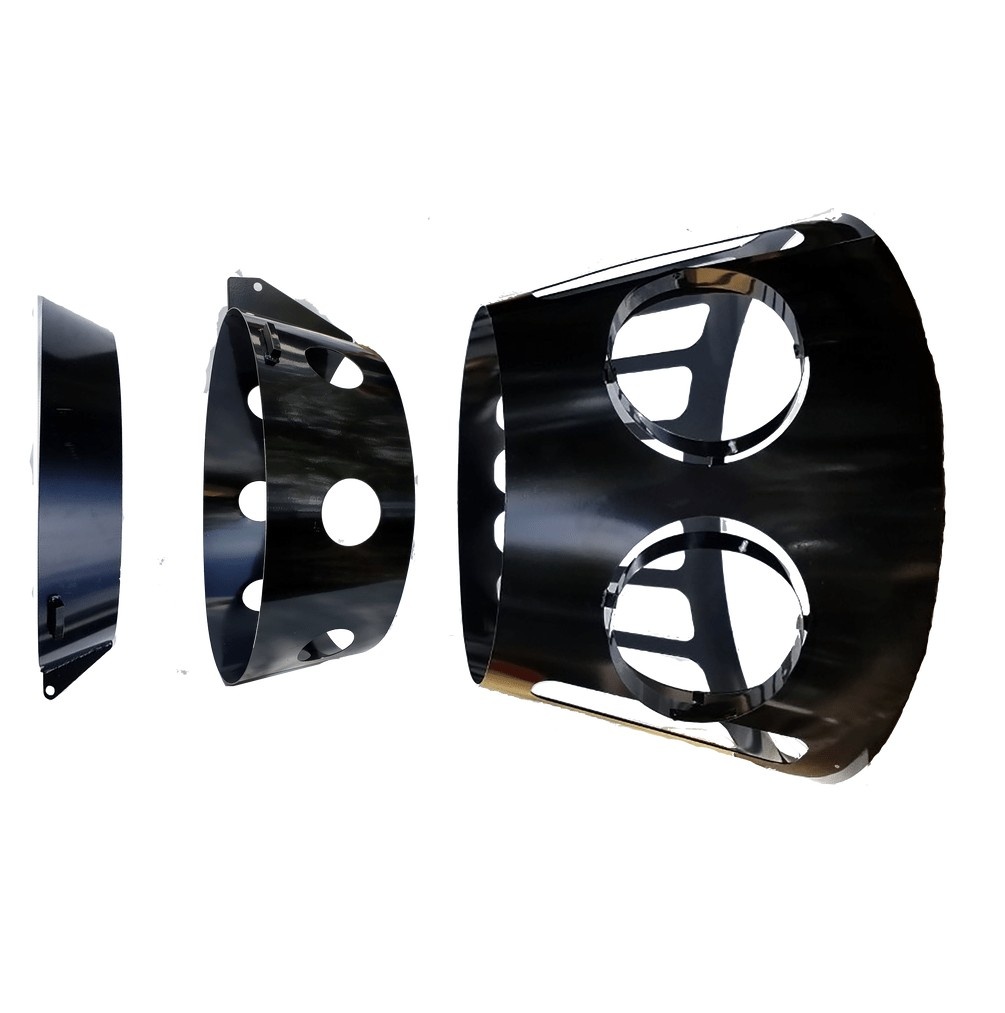
If corn enters storage above the target moisture level, an in-bin grain drying system can help move drying air through the grain mass. Producers can also review our guide to drying corn using Bindapt Plus/Pro to see how airflow, plenum readings, and in-bin sensor data can be used to manage the drying process.
Use aeration to keep temperatures uniform
Aeration helps reduce moisture migration by minimizing temperature differences within the bin. The goal is to cool the grain in stages as outdoor temperatures fall and maintain a uniform temperature throughout the grain mass.
Run fans when outdoor conditions can bring the grain toward the desired temperature without adding unwanted moisture. After each cooling cycle, check temperatures at several levels to confirm that the cooling front has moved through the full grain depth. Roof vents must allow exhaust air to escape freely.
Poorly timed aeration may rewet corn or create uneven temperature or moisture levels within the grain. Automated controls can help run fans based on conditions inside and outside the bin. Adaptive Agriculture’s Bindapt+ 2.0 Automate uses sensor data to automate aeration and can also control supplemental heat and exhaust fans.
Understand how airflow rate affects cooling time
Airflow for corn aeration is commonly measured in cubic feet per minute per bushel, or CFM/bu. A higher airflow rate moves the cooling front through stored corn faster, while lower airflow systems require longer fan operation.
The estimates below show how airflow rate and foreign material can affect cooling time. Foreign material can include fines, broken kernels, and plant debris.
Airflow rate | Clean grain | High foreign material | Aeration classification |
0.05 CFM/bu | 240 hours | 300 to 350 hours | Light |
0.10 CFM/bu | 120 hours | 150 to 175 hours | Light |
0.20 CFM/bu | 60 hours | 75 to 85 hours | Medium |
0.30 CFM/bu | 40 hours | 50 to 60 hours | Medium |
0.40 CFM/bu | 30 hours | 35 to 40 hours | Fast |
0.50 CFM/bu | 24 hours | 30 to 35 hours | Fast |
0.60 CFM/bu | 20 hours | 25 to 30 hours | Fast |
0.80 CFM/bu | 15 hours | 18 to 20 hours | Fast |
1.00 CFM/bu | 12 hours | 14 to 16 hours | High speed |
2.00 CFM/bu | 6 hours | 8 to 10 hours | High speed |
3.00 CFM/bu | 4 hours | 5 to 6 hours | High speed |
5.00 CFM/bu | 2.5 hours | 3 to 4 hours | High speed |
Light aeration systems delivering 0.10 CFM/bu or less take longer to cool grain and are generally better suited to cooler climates. Medium and fast systems, ranging from 0.20 to 0.80 CFM/bu, cool grain more quickly and help maintain uniform temperatures. Airflow of 1.00 CFM/bu or more is used for rapid cooling.
Cooling should not be confused with natural-air drying. Cooling uses periodic fan operation to lower and equalize the temperature of stored corn. Natural-air drying requires sustained airflow over a longer period to reduce the moisture content of wet grain.
These cooling times are general estimates. Grain depth, static pressure, bin design, fan performance, and the concentration of fines can affect actual results. Select fans using the manufacturer’s performance data for the airflow and static pressure required by the specific bin.
Monitor trends instead of relying on a single reading
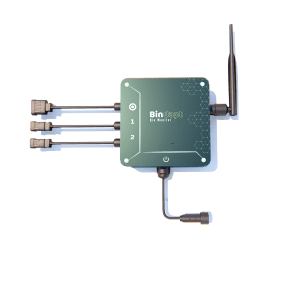
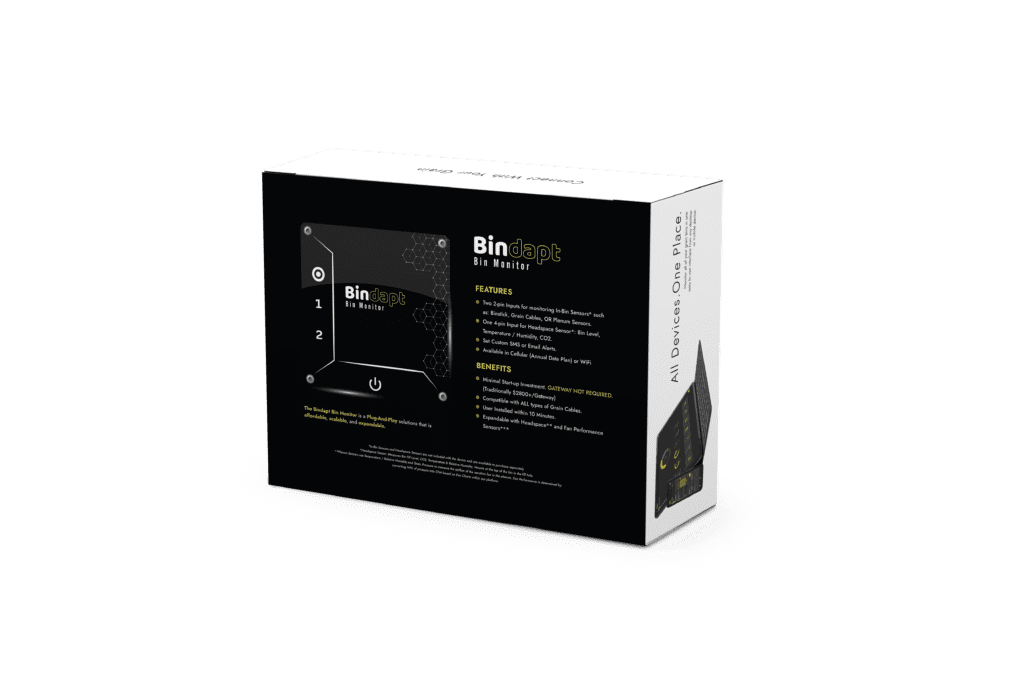
Spoilage often develops in isolated pockets, so a surface check or a single temperature reading may miss the warning signs. Consistent, multi-point grain bin moisture monitoring helps identify areas where moisture is accumulating.
A grain bin temperature monitoring system adds another layer of protection. Watch for readings that rise over time or differ noticeably from nearby sensors. An unexplained temperature increase may indicate biological activity, insect activity, or developing spoilage.
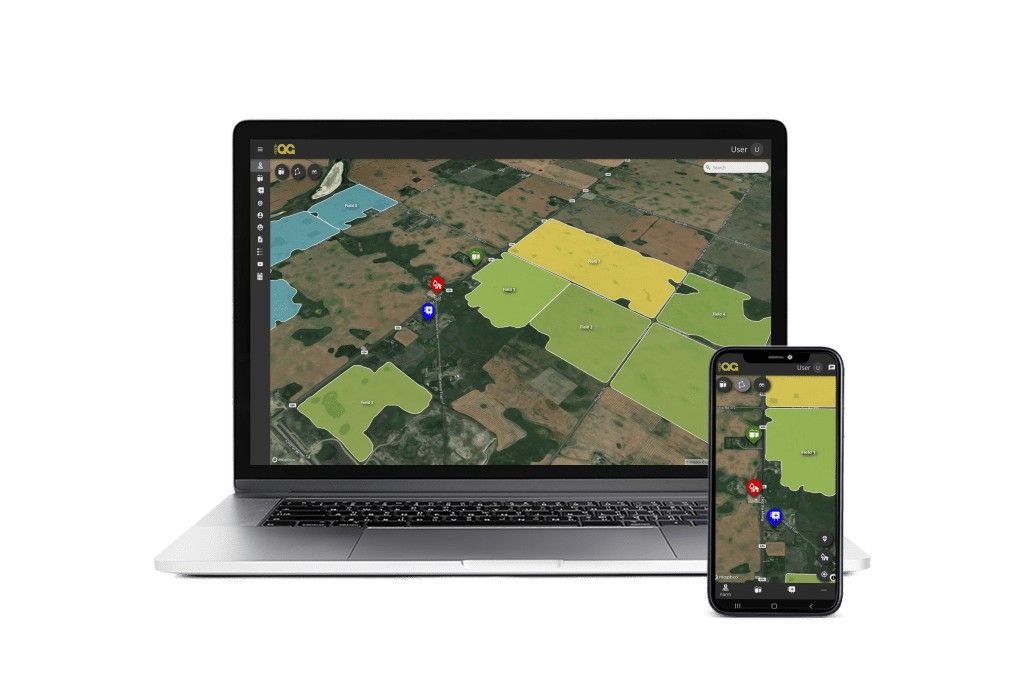
Keep records of temperatures, moisture levels, fan operation, weather, and inspection findings to identify gradual changes that might otherwise go unnoticed. Adaptive Agriculture’s grain management platform brings sensor readings, alerts, inventory details, and bin history together in one place.
Inspect the bin throughout the storage period
Physical inspections remain important, especially during changing weather or when corn enters storage at a higher moisture level. Regularly check for condensation, crusting, settling, unusual odors, insect activity, and changes in the air leaving the bin.
Always follow grain-bin safety procedures. Never enter a bin while unloading equipment is operating, and never walk on crusted grain, which may conceal a cavity underneath. If an inspection suggests a hot spot, assess whether aeration can address the problem, whether the grain needs to be moved, or whether help from a grain storage professional is needed.
Keep stored corn stable with the right storage practices
Preventing spoilage is easier when drying, aeration, monitoring, and inspection work together. Uniformly dried corn, controlled seasonal cooling, reliable sensor data, and prompt action can reduce the risk of a small moisture pocket becoming a costly loss.
Explore Adaptive Agriculture’s in-bin drying, monitoring, and automation solutions to gain better visibility and control over stored grain.
Frequently asked questions