Most stored grain problems start small. A warm core left over from harvest, a damp surface layer, or a temperature difference of just a few degrees between the bin wall and the center can create conditions that lead to spoilage.
Aeration helps prevent these problems by maintaining safe, consistent temperatures throughout the grain mass, reducing the risk of moisture migration, mold growth, and insect infestation.
This guide explains why aeration matters, when to run fans throughout the year, and how to ensure each cooling cycle is completed effectively.
Why grain aeration matters
Grain aeration moves outside air through stored grain to help keep temperatures cool and consistent throughout the bin. That matters for two main reasons.
Cool grain stores longer
How long grain can be safely stored depends largely on its moisture content and temperature. The warmer the grain, the faster it uses up its allowable storage time. Cooling grain after harvest is one of the most effective ways to extend its storage life, as explained in our guide on how long grain can be stored.
Even temperatures reduce moisture migration
As outdoor temperatures change with the seasons, grain near the bin walls can become warmer or cooler than grain in the center. These temperature differences create slow-moving air currents within the grain mass that carry moisture from one area to another. This process, known as moisture migration, can lead to pockets of wetter grain that are more prone to spoilage.
Aeration vs. natural air drying: What is the difference?
Aeration and natural air drying both use fans to move air through stored grain, but they serve different purposes and require different airflow rates.
| |
Aeration
|
Natural air drying
|
|
Main goal
|
Cool grain and even out its temperature
|
Remove moisture from grain
|
|
Typical airflow
|
About 0.1 to 0.2 cfm/bu, or more for faster cooling
|
1 to 1.5 cfm/bu
|
|
Grain condition
|
Already at a safe storage moisture
|
Above safe storage moisture
|
|
Works best when
|
Outside air is cooler than the grain
|
Outside air temperature is well above its dew point, and daily averages stay above about 40°F
|
|
Fan run time
|
Cycles of hours to several days
|
Longer runs until the drying front passes through the grain
|
When to aerate: A season-by-season guide
The general approach is to cool grain in stages during fall, maintain an even temperature through winter, and limit warming in spring and summer.
|
Season
|
Goal
|
What to do
|
|
After harvest or drying
|
Remove field or dryer heat
|
Start aeration soon after binning. For grain from a dryer, complete the dryer’s cooling procedure before aeration.
|
|
Fall
|
Cool grain in stages
|
Aerate each time the average outdoor temperature is about 10 to 20°F below the grain temperature, until the grain reaches about 30 to 40°F.
|
|
Winter
|
Hold cool, even temperatures
|
Run fans if needed to finish cooling to 30–40°F, then keep them off. Check grain at least every two weeks and aerate only to correct warm spots or temperature differences.
|
|
Spring and summer
|
Limit warming
|
Check grain weekly. Limit aeration during warm, humid weather and run fans only when needed during suitable cool-air periods.
|
Fall: Cool in stages
Use the average daily temperature (the midpoint between the nighttime low and daytime high) to guide cooling, rather than the afternoon high.
- Cool in stages. Run fans when the average outdoor temperature is 10–20°F below the grain temperature. Repeat as temperatures fall until grain reaches 30–40°F.
- Keep humidity in perspective. The cooling front moves through grain much faster than a wetting front, so a damp night is unlikely to cause problems during a normal cooling cycle.
- Adjust for grain condition. You can delay cooling dry, low-risk grain during rainy periods, but continue cooling warm or wetter grain.
Winter: Hold steady
Once grain reaches its winter target temperature, the grain mass insulates itself well as long as air is not moving through it.
- Finish cooling if needed. Bring grain temperatures down to 30–40°F.
- Cover fan inlets when fans are off. This helps prevent unwanted airflow caused by wind or temperature differences on warm afternoons.
- Check grain at least every two weeks. Monitor temperatures for signs of warming.
- Run fans only when needed. Use aeration to correct warm spots or uneven temperatures.
Spring and summer: Limit warming
As outdoor temperatures rise, sunlight warms the bin roof and walls, especially on the south side. Grain near these surfaces heats up first.
- Keep the core cool for as long as possible. Limit aeration during warm, humid weather, and use suitable cool-air periods when aeration is needed.
- Vent the space above the grain. Allow trapped heat and moisture to escape.
- Check grain weekly. Catch warm spots before they become bigger problems.
How to aerate grain effectively
Effective aeration depends on even airflow and enough fan run time to cool the entire grain mass.
Prepare the bin for even airflow
Before starting a cooling cycle, make sure the bin is set up to move air evenly through the grain and let it escape freely.
- Core the bin and level the grain after filling. Remove concentrated fines and reduce the peak to improve airflow and even cooling.
- Match the fan to the load. Grain type and depth affect resistance to airflow, known as static pressure.
- Keep roof vents and exhausters clear. Moist air needs an escape path to prevent roof condensation.
- Keep monitoring after cooling. A completed cycle does not eliminate the need for regular checks.
Know your airflow rate
Cooling time depends largely on how much air the fan delivers per bushel. For fall cooling, a useful rule of thumb is:
- Cooling time in hours ≈ 15 ÷ airflow in cfm/bu
|
Airflow (cfm/bu)
|
Approximate cooling time (hours)
|
Approximate cooling time (days)
|
|
0.10
|
150
|
6.25
|
|
0.15
|
100
|
4.2
|
|
0.25
|
60
|
2.5
|
|
0.50
|
30
|
1.25
|
|
1.00
|
15
|
Less than 1
|
These estimates apply to fall cooling. Actual cooling time varies with grain type, grain depth, and weather. Adaptive Agriculture offers grain aeration fans for sale to help you achieve the right airflow for efficient cooling.
Complete the cooling cycle
In grain bins with upward airflow, cool air enters through the floor and gradually moves up through the grain. The top layer is the last to cool.
Check the temperature in the top 6–12 inches of grain to see whether cooling is complete. Keep fans running until this layer reaches the target temperature. Stopping too early can leave warm grain near the surface, increasing the risk of condensation and crusting.
Key features of an effective aeration setup
The best grain aeration system combines sufficient airflow, reliable sensors, and automated controls. Look for these five features:
- Adequate airflow: At 0.2 cfm/bu, fall cooling takes about 75 hours. Higher airflow helps make use of shorter cold spells.
- Temperature cables: Sensors at multiple depths track cooling progress and confirm target temperatures at monitored points.
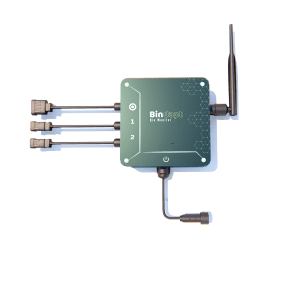
- Automated fan control: Automated aeration controls use sensor readings and outdoor conditions to run fans at suitable times.
- Airflow monitoring: Plenum pressure readings and fan performance data help assess airflow and identify potential issues.
- Headspace CO₂ sensor: Detects rising carbon dioxide above the grain, which can signal spoilage before temperatures noticeably increase.
Smarter aeration, better grain protection
The right aeration strategy helps protect every bushel by maintaining consistent grain temperatures, reducing spoilage risks, and taking the guesswork out of fan operation.
Contact Adaptive Agriculture to find the right monitoring and automation solutions for smarter, more effective grain aeration.
Frequently Asked Questions