Sunflower seeds need to be dry, clean, and cool to maintain their quality after harvest. Excess moisture can lead to spoilage, while plant material and other debris mixed with the crop can restrict airflow and make it difficult to cool the grain evenly.
The right storage approach depends on the type of sunflower and how long you plan to store it. This guide explains how to prepare your crop for storage and manage bin conditions to preserve quality until it is ready for sale.
Five steps for storing and drying sunflower seeds after harvest
Start by setting a moisture target for your planned storage period, then follow with cleaning, drying, cooling, and regular monitoring.
1. Choose a moisture target for your storage period
Oilseed sunflowers require lower storage moisture than confection varieties. Seeds kept through summer also need to be drier than those held only through winter.
These are general storage targets:
Sunflower type | Winter or short-term storage | Storage into summer |
Oil sunflower | About 10% | About 7% to 8% |
Confection (non-oil) sunflower | Up to about 11% | About 10% |
Choose your target based on the sunflower type and how long you plan to store the crop.
When checking moisture, keep in mind that an average reading can hide wetter areas that may begin to heat. Test samples from several parts of the bin separately. Cold seeds can also affect moisture meter accuracy. If a sample is below about 40°F, place it in a sealed plastic bag, let it warm to room temperature, and then test it.
2. Remove plant material and improve airflow
Stalk pieces, head fragments, and attached flower parts can carry more moisture than the seeds. Small particles, known as fines, can also collect beneath the fill spout and restrict airflow through the center of the bin.
A few preparation steps help air reach the crop more evenly:
- Clean before storage: Remove damp plant material and excess fines wherever practical.
- Remove the center core if needed: If cleaning must wait, use the center unloading system to withdraw the portion where fines concentrate, then clean or market it first.
- Level the surface: Avoid leaving a tall peak that is harder to aerate evenly.
3. Adjust drying settings and reduce fire risk
Sunflower seeds dry relatively easily, so settings used for corn can overdry them. If drying is necessary, check moisture frequently and adjust seed flow or drying temperature according to the equipment manufacturer’s guidance.
The crop’s intended use also matters. Excessive heat can wrinkle or scorch confection kernels. For seed intended for planting, keep plenum air temperatures at or below 95°F.
Fine hairs and fibers released during handling can ignite if drawn through an open burner. Seeds or debris that accumulate inside the dryer can also become overdried, increasing the fire risk. Make these precautions part of your drying routine:
- Clean regularly: Remove buildup around the dryer and in the plenum daily, and empty batch dryers completely between batches.
- Check seed movement: Maintain even flow through recirculating and continuous-flow dryers.
- Keep the air intake clear: Follow manufacturer guidance to ensure the dryer draws in clean air.
- Stay with the equipment: Never leave sunflower drying equipment unattended.
After heated drying, cool the seed to near ambient temperature before moving it into storage.
4. Cool the crop in stages as temperatures fall
After drying and initial cooling, use storage aeration to keep seed temperatures low and consistent throughout the bin.
In fall, run the bin aeration system when the average outdoor temperature is about 10°F to 15°F below the seed temperature. Continue until the cooling front has passed through the full depth of the crop, using temperature readings to track its progress.
Repeat as the weather cools. In colder regions, a winter target of about 25°F may be appropriate; in warmer regions, choose a target suited to local conditions. Cover fans and unloading tubes when they are not in use, and remove the covers before operating the equipment.
5. Continue checking throughout storage
Seeds still need regular attention after they reach the desired moisture and temperature. Conditions can change, particularly soon after harvest and during spring warming.
Check at least weekly during these periods. Watch for:
- Rising seed temperatures
- Condensation beneath the bin roof
- Crusting on the seed surface
- Unusual odors
Investigate changes promptly, even when the crop entered storage at an acceptable moisture level.
In spring and summer, assess outdoor temperature, humidity, and seed conditions before running fans. Aeration under unsuitable conditions can add warmth or moisture to the crop.
Use monitoring and controls to support grain storage
Monitoring equipment can help you track conditions between inspections. Compatible controls can also use sensor readings to guide equipment operation.
Depending on your setup, these tools can help you:
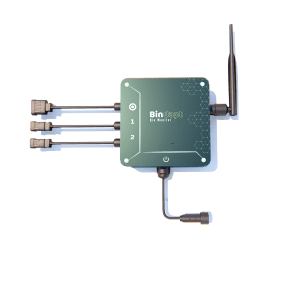
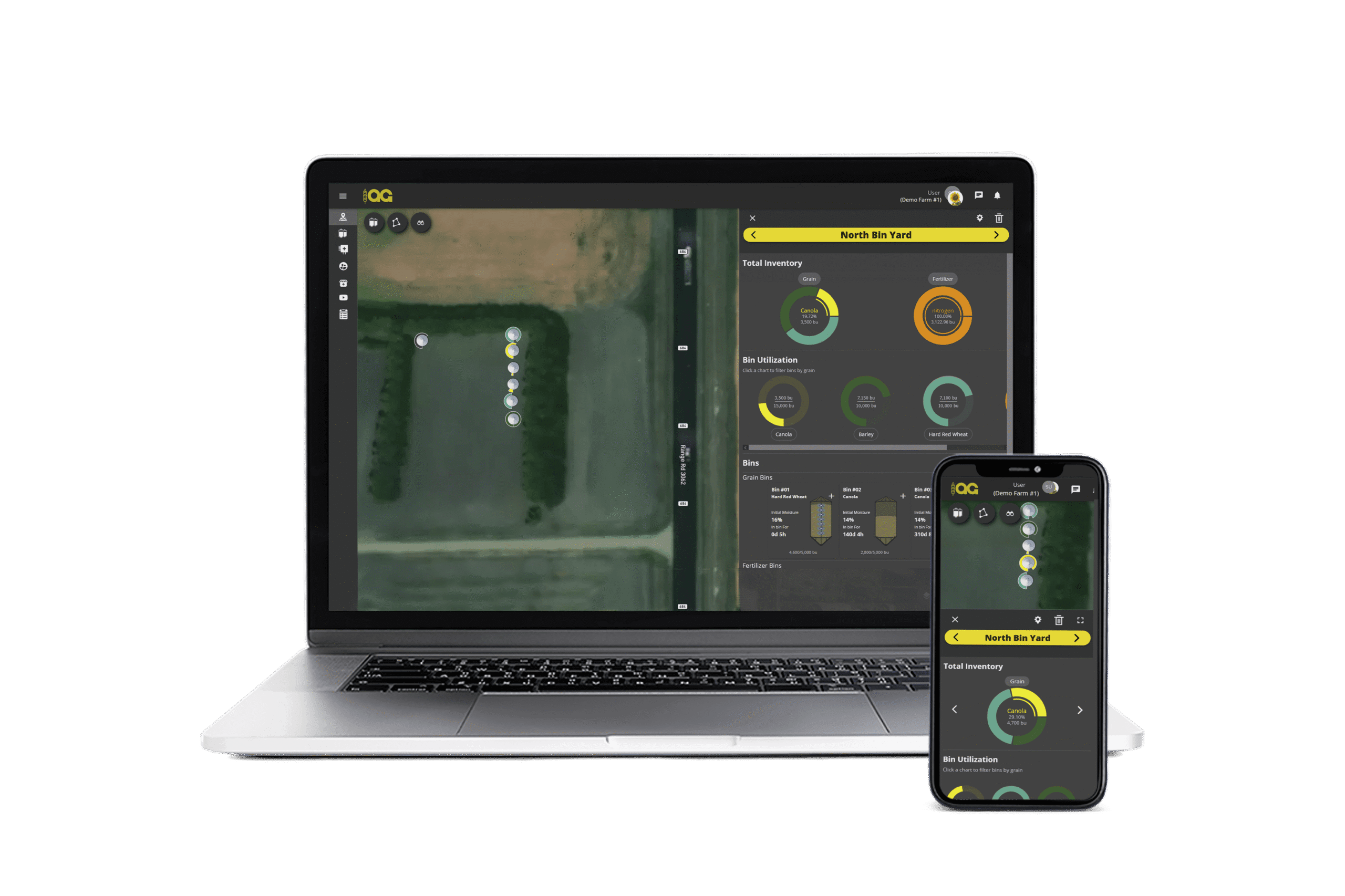
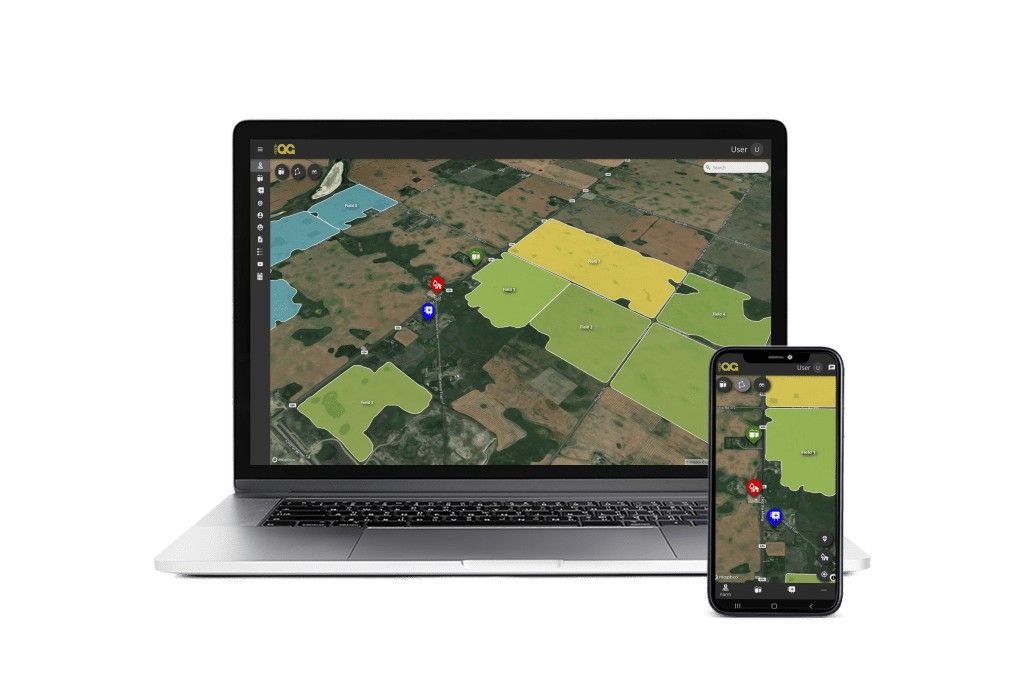
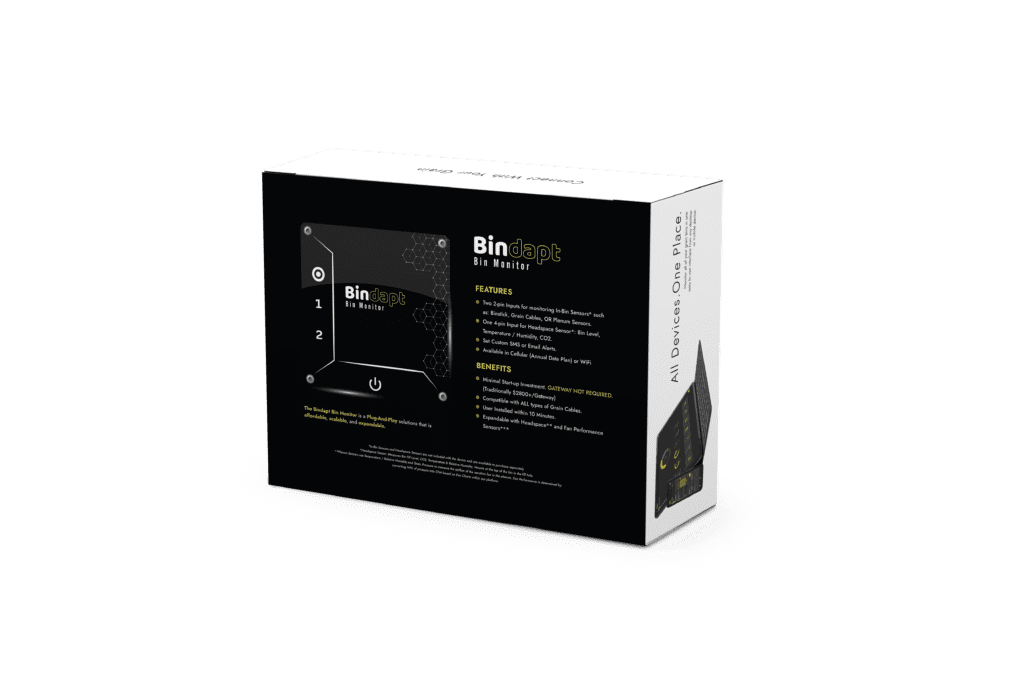
- Track conditions inside the bin: The V2 Bindapt+ 2.0 Monitor reads compatible temperature and moisture cables, with readings and alerts available through Visual Farm.
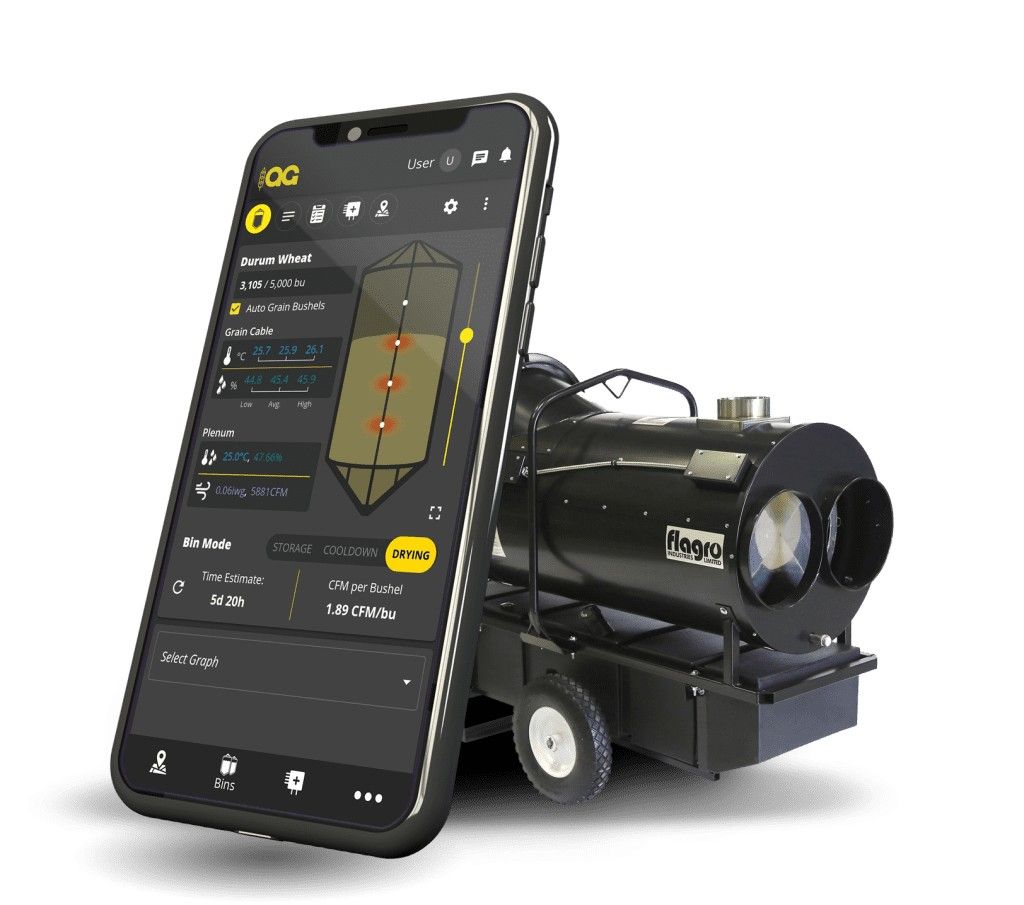
- Check incoming air: A plenum sensor measures temperature, humidity, and static pressure between the fan and bin to support in-bin grain drying decisions.
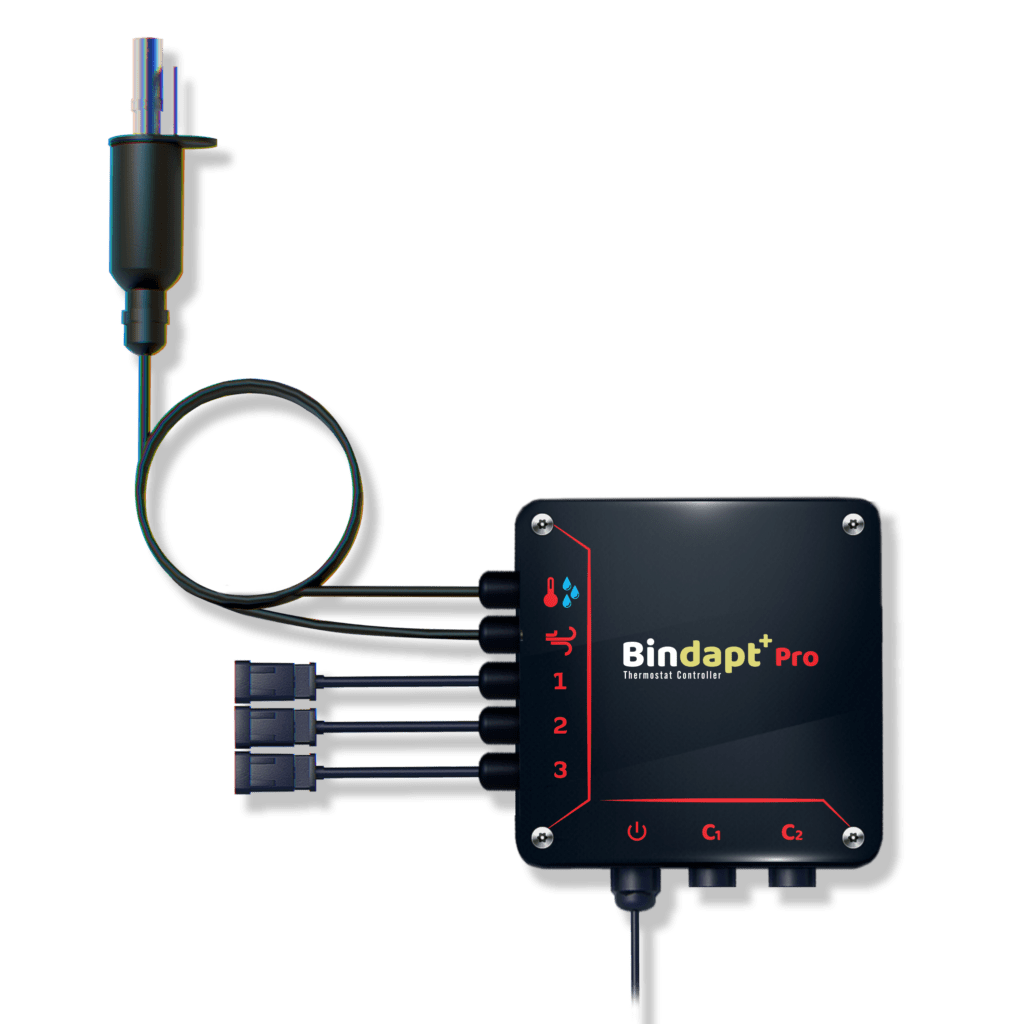
- Manage fan operation: The V2 Bindapt+ 2.0 Automate works with an ambient sensor and Aeration+ controller to operate fans according to measured conditions and selected settings.
An optional headspace CO₂ sensor can provide another indication of potential storage problems. Use sensor trends alongside seed sampling and physical inspections to assess the crop’s condition.
Protect sunflower quality from harvest to sale
Weather and delivery schedules can change while the crop is in storage. If you decide to store the sunflower seeds longer than originally planned, reassess their moisture level and overall condition to ensure they remain suitable for extended storage.
For help choosing monitoring and fan controls that fit your bins, contact Adaptive Agriculture to discuss your setup and storage plans.
Frequently Asked Questions