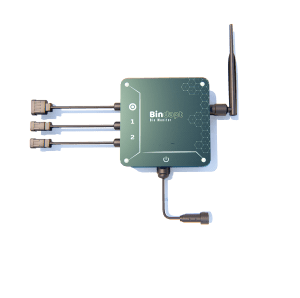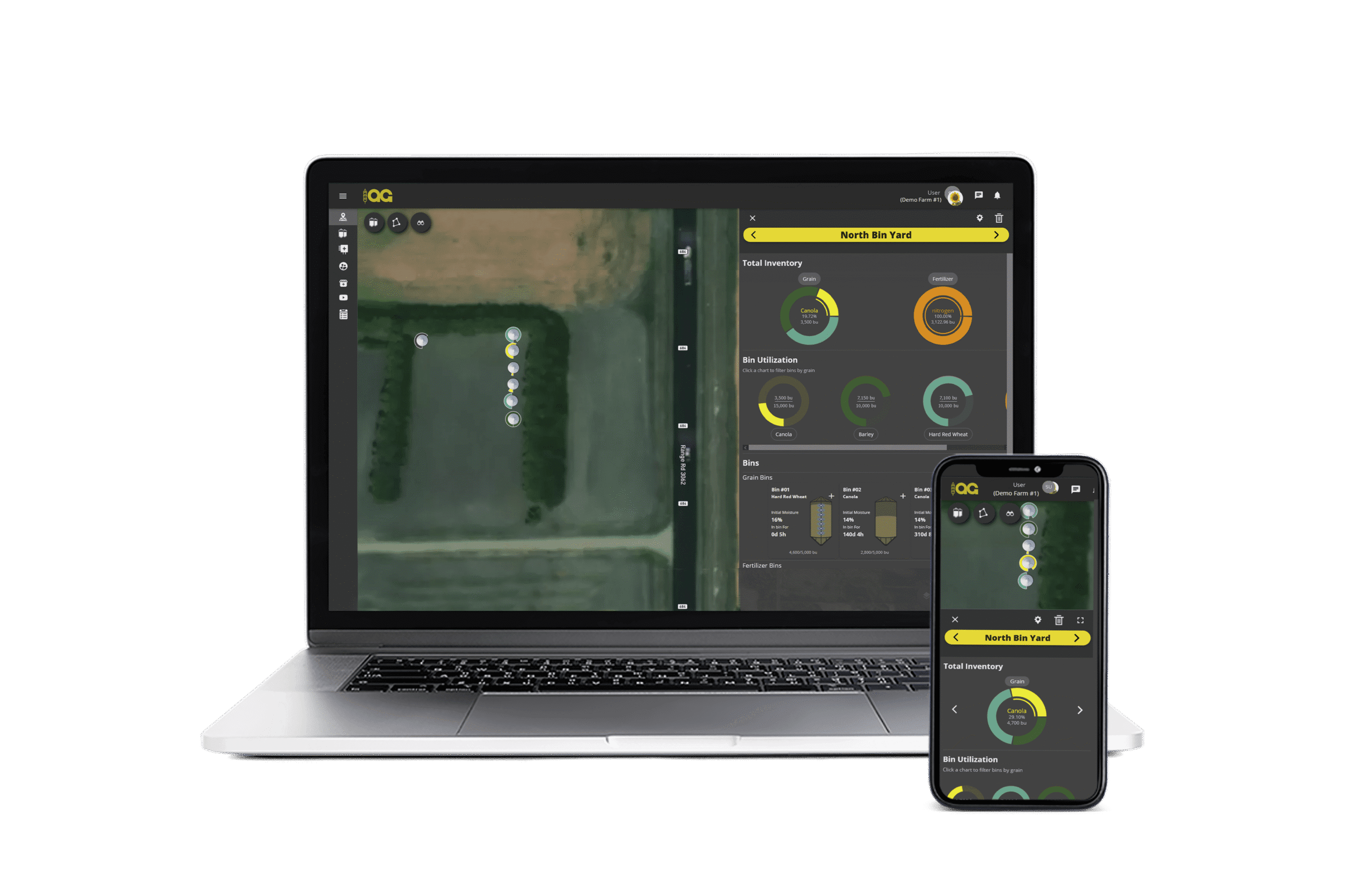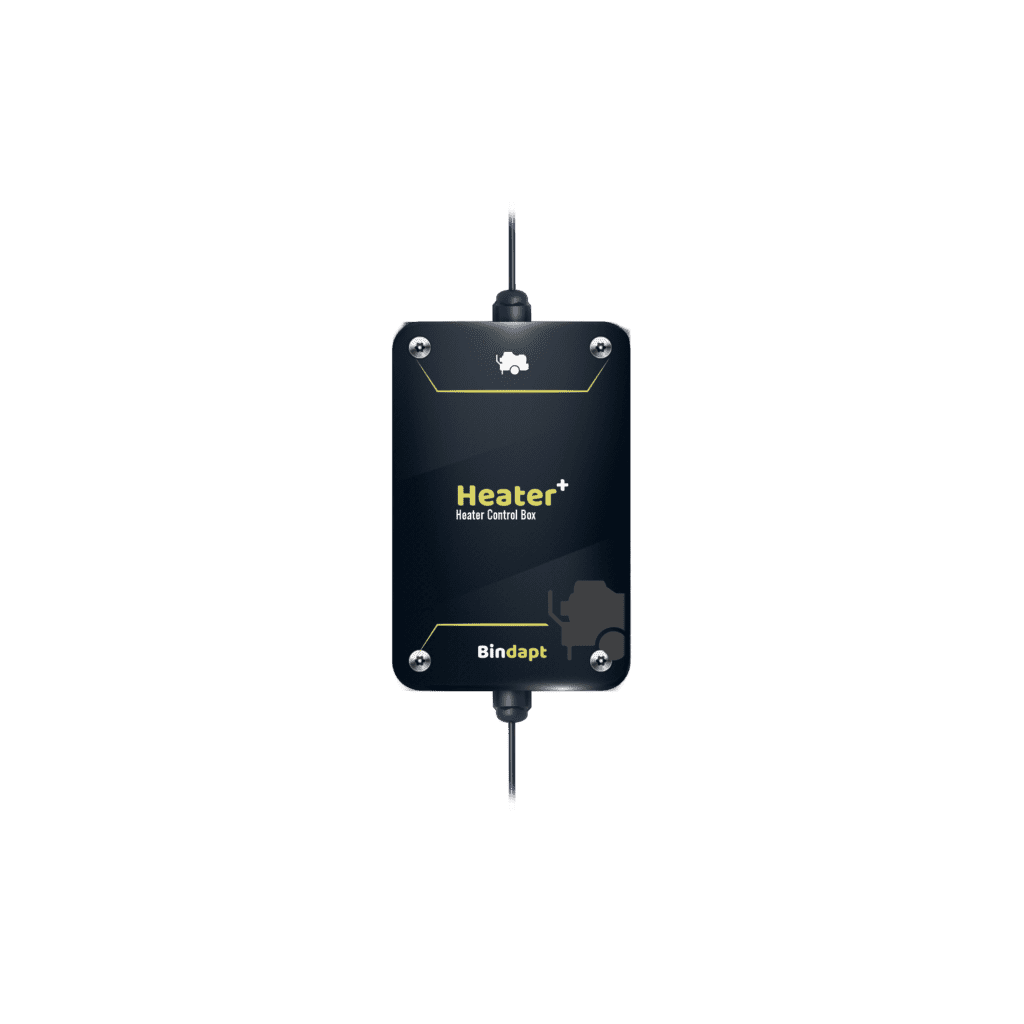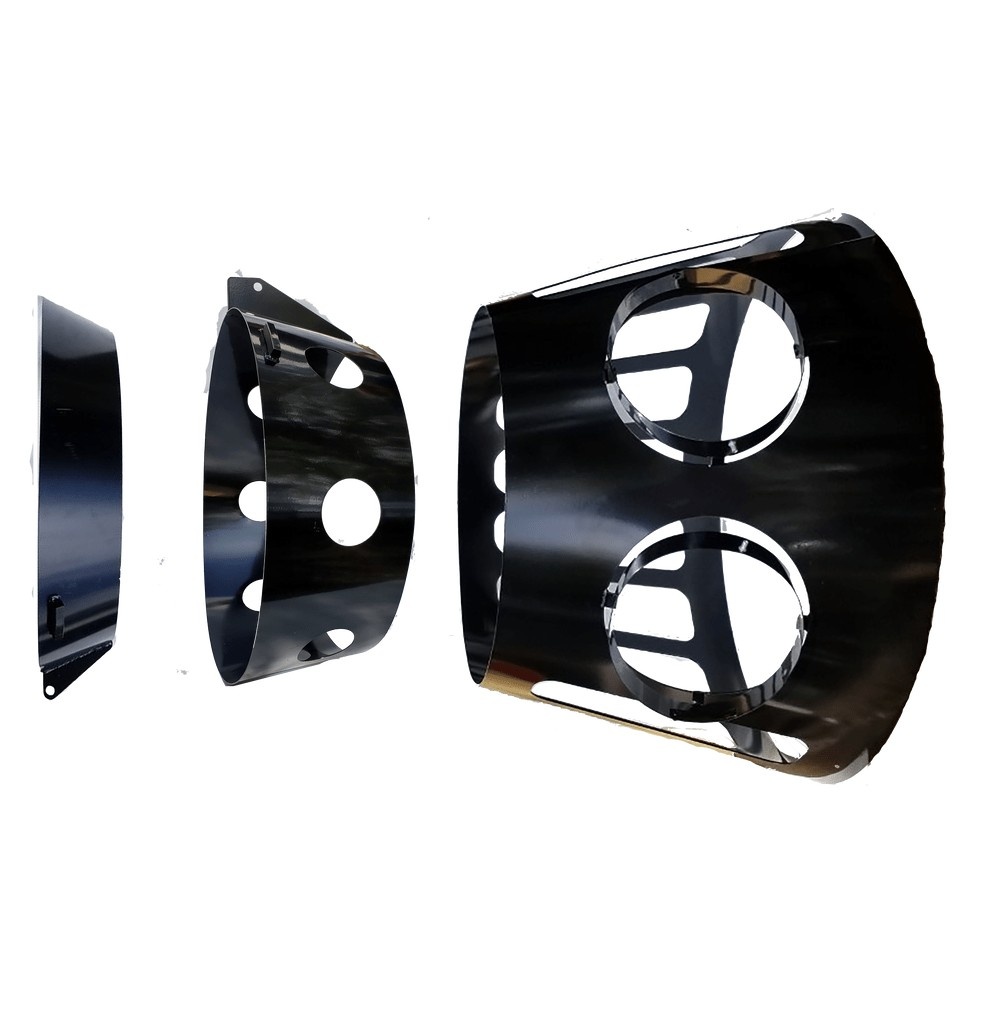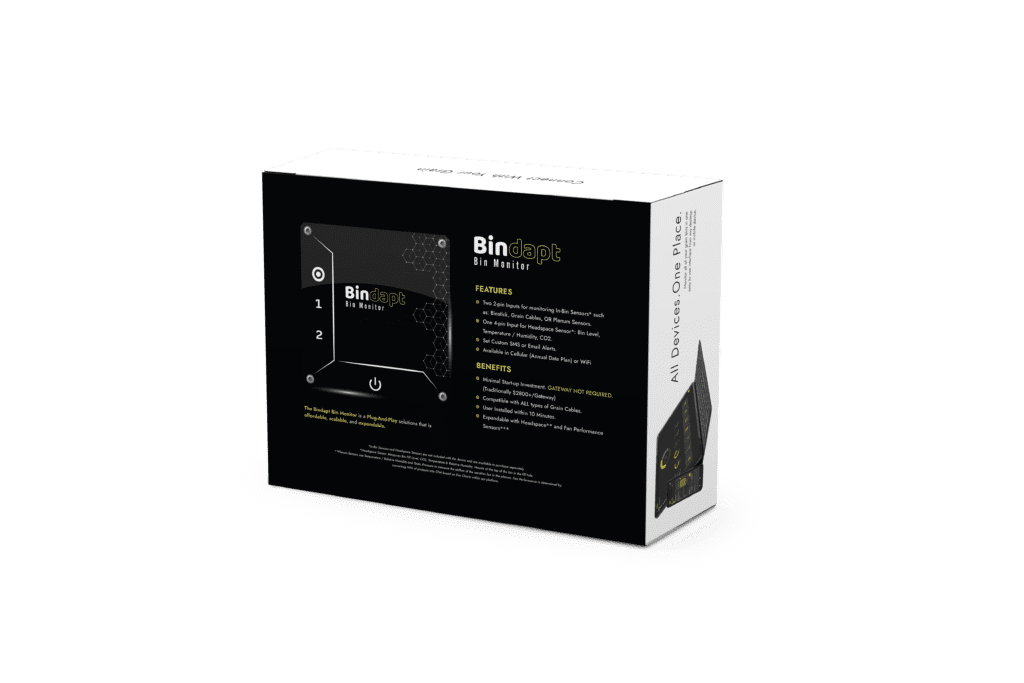
Harvest season puts pressure on every part of a farming operation. Combines need to be ready, trucks need to keep moving, and grain bins need to be prepared for incoming crops. One piece of equipment that deserves attention before the first load arrives is your grain bin monitoring system. Modern monitoring technology gives producers greater […]
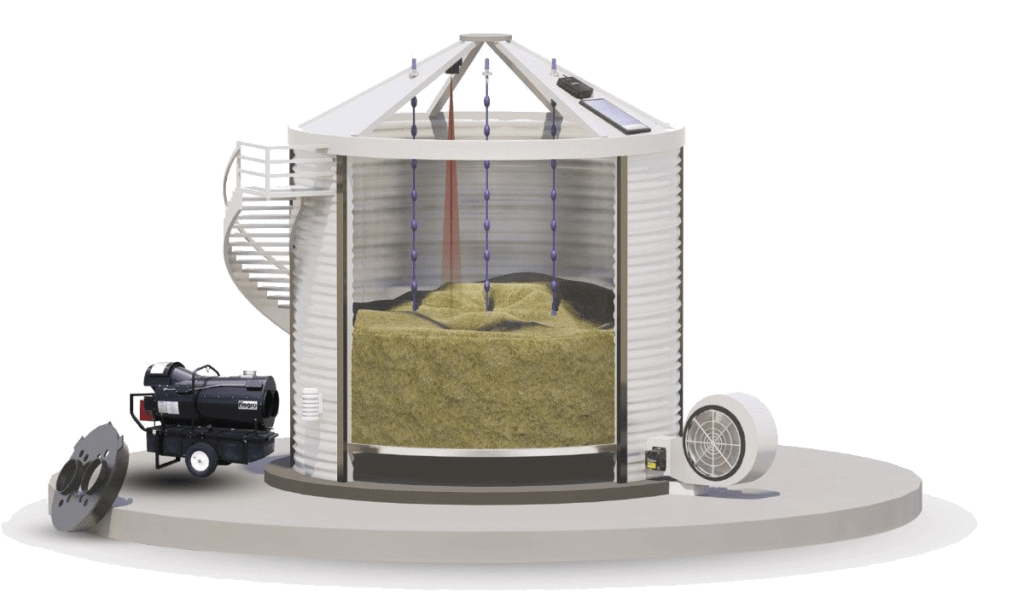
Proper moisture management is essential for protecting grain quality during storage. If grain is stored at moisture levels that are too high, it becomes harder to manage and faces a greater risk of spoilage and other quality issues. Setting an appropriate moisture target before storage provides a clear benchmark for preparing grain for safe storage. […]

Grain doesn’t always require supplemental heat to reach a suitable moisture level for storage. Under the right conditions, unheated outdoor air can gradually remove moisture as it moves through grain in a bin. The effectiveness of natural air drying depends mainly on the grain’s initial moisture content, the airflow rate through the grain, and the […]
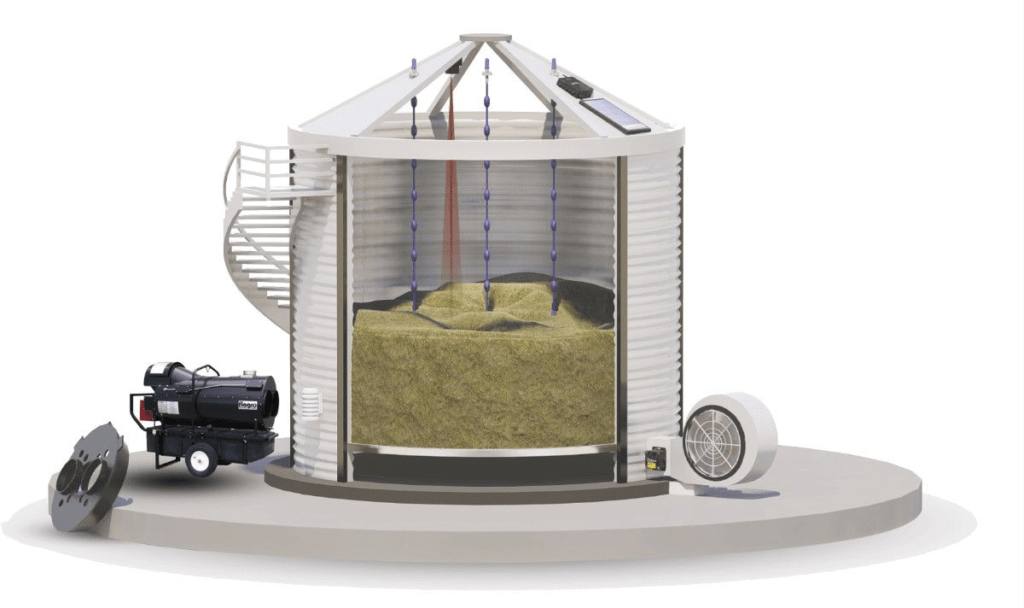
Keeping grain in good condition after harvest requires careful management throughout the storage period. Moisture, temperature changes, poor airflow, and insects can all cause grain to spoil, leading to quality losses and lower returns when it’s time to sell. This guide covers the key steps for storing grain safely after harvest, including recommended moisture levels, […]

Most stored grain problems start small. A warm core left over from harvest, a damp surface layer, or a temperature difference of just a few degrees between the bin wall and the center can create conditions that lead to spoilage. Aeration helps prevent these problems by maintaining safe, consistent temperatures throughout the grain mass, reducing […]
When grain is loaded into a bin from the center, it typically forms a peak rather than settling into a flat, even surface. Although this is a normal result of the filling process, the shape of the grain mass can influence how effectively air moves through the bin during storage. This can make some areas […]

How long grain can be stored depends mainly on two factors: moisture content and grain temperature. Dry, cool corn can stay in good condition for many months, while wetter corn stored at warmer fall temperatures can begin losing quality in a matter of days or weeks. Farmers use allowable storage time to estimate how long […]

Grain sorghum (milo) is often ready to harvest before it reaches a suitable moisture level for sale or storage. In the field, it may not reach 14% moisture for marketing or 13.5% for storage until after a killing frost or desiccant application. That makes postharvest drying an important part of managing the crop. The challenge […]
A small pocket of deteriorating grain can become a larger storage problem if left unchecked. As conditions worsen, more of the grain mass may be affected, making it harder to protect quality and limit losses. Understanding what drives spoilage helps farmers make better storage decisions. This guide explains what causes spoilage to spread, which warning […]
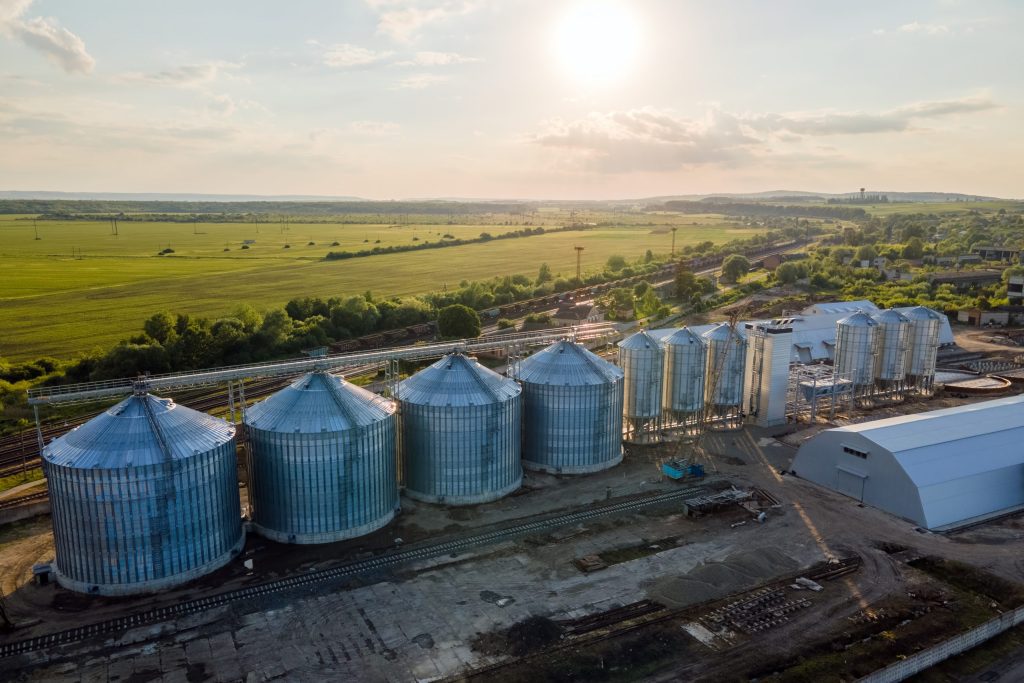
Corn can enter a bin in good condition and still develop problems months later. Temperature differences within the grain mass can cause air to circulate, carrying moisture from one area of the bin to another. If that moisture accumulates unnoticed, corn can develop crusting, mold, hot spots, or spoilage. Protecting stored corn requires a coordinated […]